


The 16th China International Energy Storage Conference (CIES 2026) was held in Hangzhou from August 10 to 11. On the opening day, Guangzhou Zhiguang Energy Storage Technology Co., Ltd. successfully hosted a dedicated forum focused on cascaded high-voltage energy storage and energy storage for computing infrastructure. Tang Xu, Technical Director of Zhiguang Energy Storage, delivered a keynote presentation titled “Cascaded High-Voltage Energy Storage: A Solution for Frequency Regulation in New Power Systems.” His presentation addressed key challenges in frequency regulation under new power system conditions, highlighted the technical advantages of cascaded high-voltage energy storage, and shared results from leading demonstration projects, all of which offered insights into emerging technology pathways for the energy storage industry.
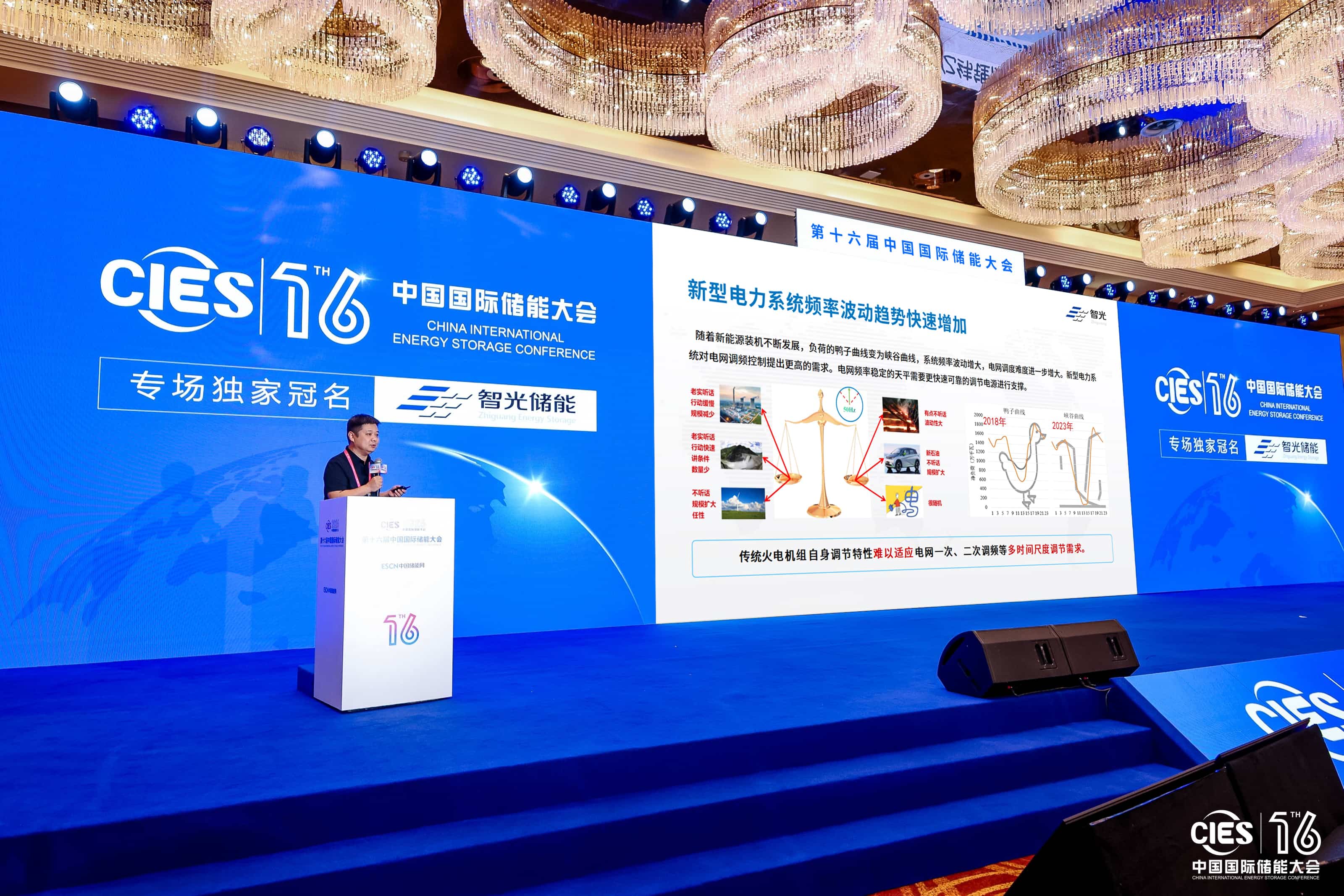
Tang noted that China’s total installed wind and solar capacity has reached 1.84 billion kW, accounting for approximately 47% of total installed generation capacity. As renewable generation becomes increasingly variable and the gap between peak and off-peak electricity demand continues to widen, the load profile is evolving from the traditional “duck curve” toward a more pronounced “canyon curve.” Conventional thermal power plants, which typically have slower response times and higher operating losses, is increasingly unable to meet the demands of thousands of primary and secondary frequency regulation commands. As a result, standalone energy storage systems capable of millisecond-level response are emerging as high-quality flexible resources for grid regulation.
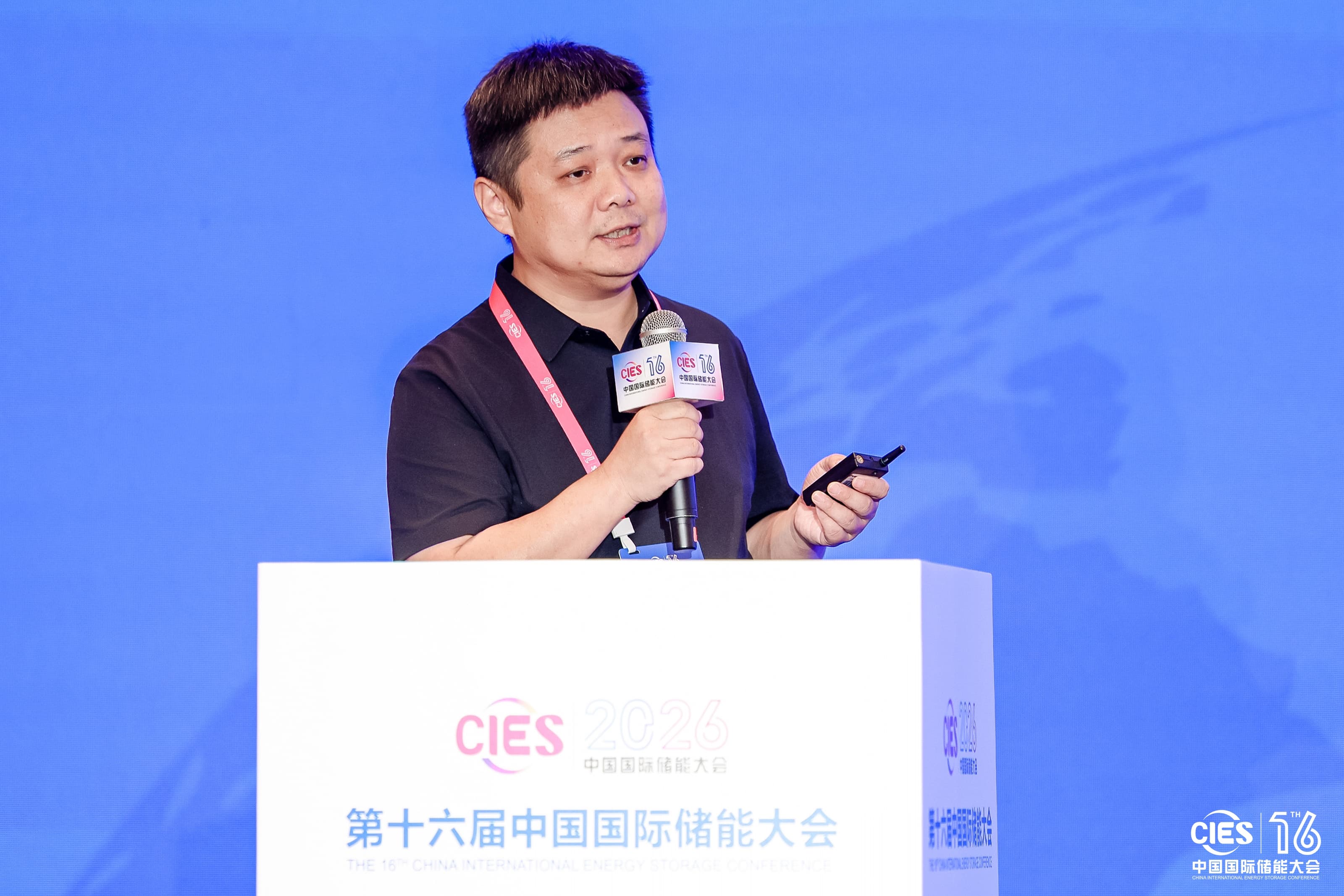
Recent frequency regulation market reforms in southern China are creating new opportunities for energy storage. The updated market rules remove restrictions on the voltage level at which energy storage systems can connect to the grid and increase the maximum share of frequency regulation capacity that can be provided by standalone energy storage to 60%. Frequency regulation revenues are increasingly linked to three key performance metrics: regulation speed, response accuracy, and response latency. Tang highlighted that Zhiguang Energy Storage’s proprietary 35 kV cascaded high-voltage direct-connected energy storage system is designed to meet these market requirements. The system connects directly to the grid without a step-up transformer, achieving a response time of ≤5 milliseconds, a round-trip efficiency exceeding 92%, and battery capacity utilization above 90%. Its overall frequency regulation performance K-value can exceed 2.95, giving it strong technical and commericail competitiveness in the Guangdong frequency regulation market.
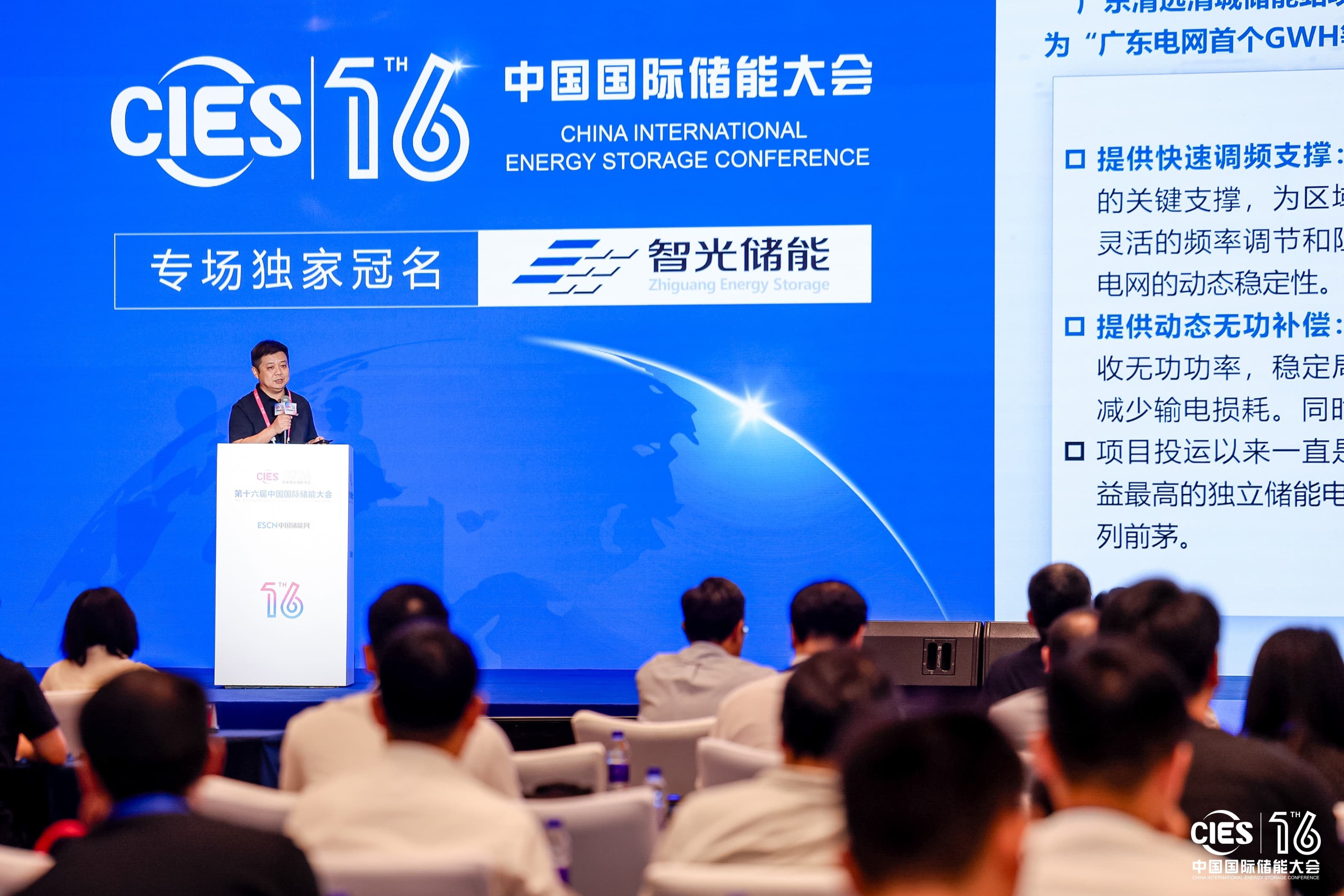
Tang also highlighted the Qingyuan Qingcheng Independent Energy Storage Project in Guangdong. With a total capacity of 508 MW/1,016 MWh, the project is Guangdong’s first GWh-scale standalone energy storage power station. The facility is equipped with Zhiguang Electric’s liquid-cooled cascaded high-voltage direct-connected energy storage systems and achieved full-capacity commercial operation in June 2026. Its operating performance ranks among the leading projects of its type in Guangdong, with frequency regulation ranking first in 2025. Its capabilities are supported by technologies including multi-operating-condition adaptive state-of-charge (SOC) balancing and full-lifecycle battery safety management.
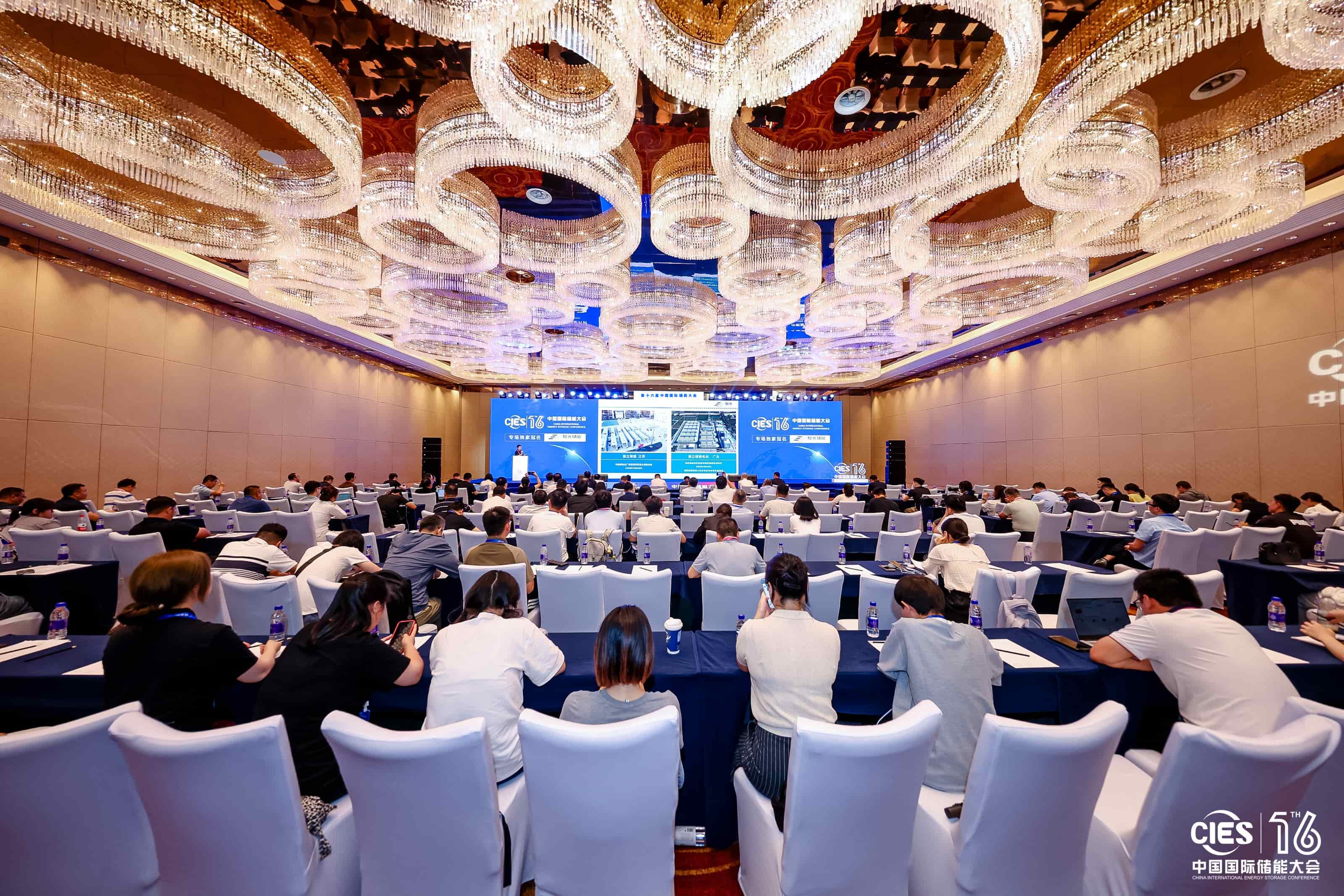
Tang explained that cascaded high-voltage direct-connected energy storage can integrate inertia support, active power frequency regulation, and voltage stabilization into a unified grid-support solution. The technology can help mitigate renewable generation fluctuations at large-scale wind and solar bases while also meeting the need for rapid voltage regulation in major load centers. It has already been deployed across large-scale energy storage projects in Qinghai, Gansu, and Guangdong.
As China continues to develop new power systems, the technology can help address shortages of grid frequency regulation resources while supporting stable and diversified revenue models for standalone energy storage projects. The forum attracted more than 100 industry professionals from areas including power grid planning, energy storage investment, and system integration. Participants noted that the real-world performance data presented at the forum demonstrated both the technical capabilities and commercial value of cascaded high-voltage direct-connected energy storage. The technology provides a replicable model for energy storage companies seeking to expand into the growing market for grid ancillary services.
