


On June 25, the National Development and Reform Commission (NDRC) and the National Energy Administration (NEA) officially issued the 15th Five-Year Plan for the Construction of a New Energy System, which explicitly calls for the accelerated development of new energy storage technologies, large-scale deployment of energy storage in power source coordination, grid stability enhancement, and smart microgrids, while prioritizing demonstration and application of grid-forming energy storage technologies.
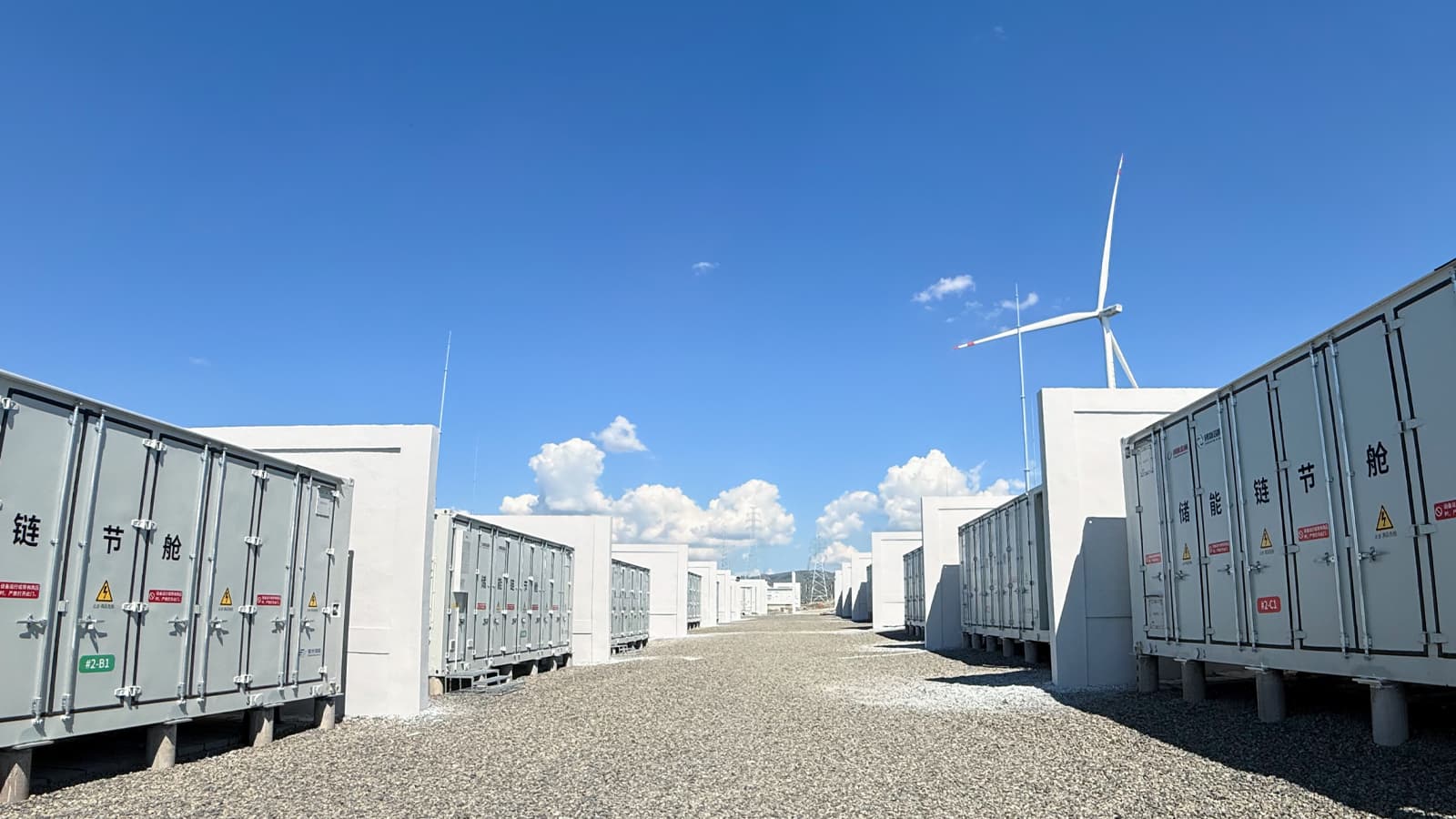
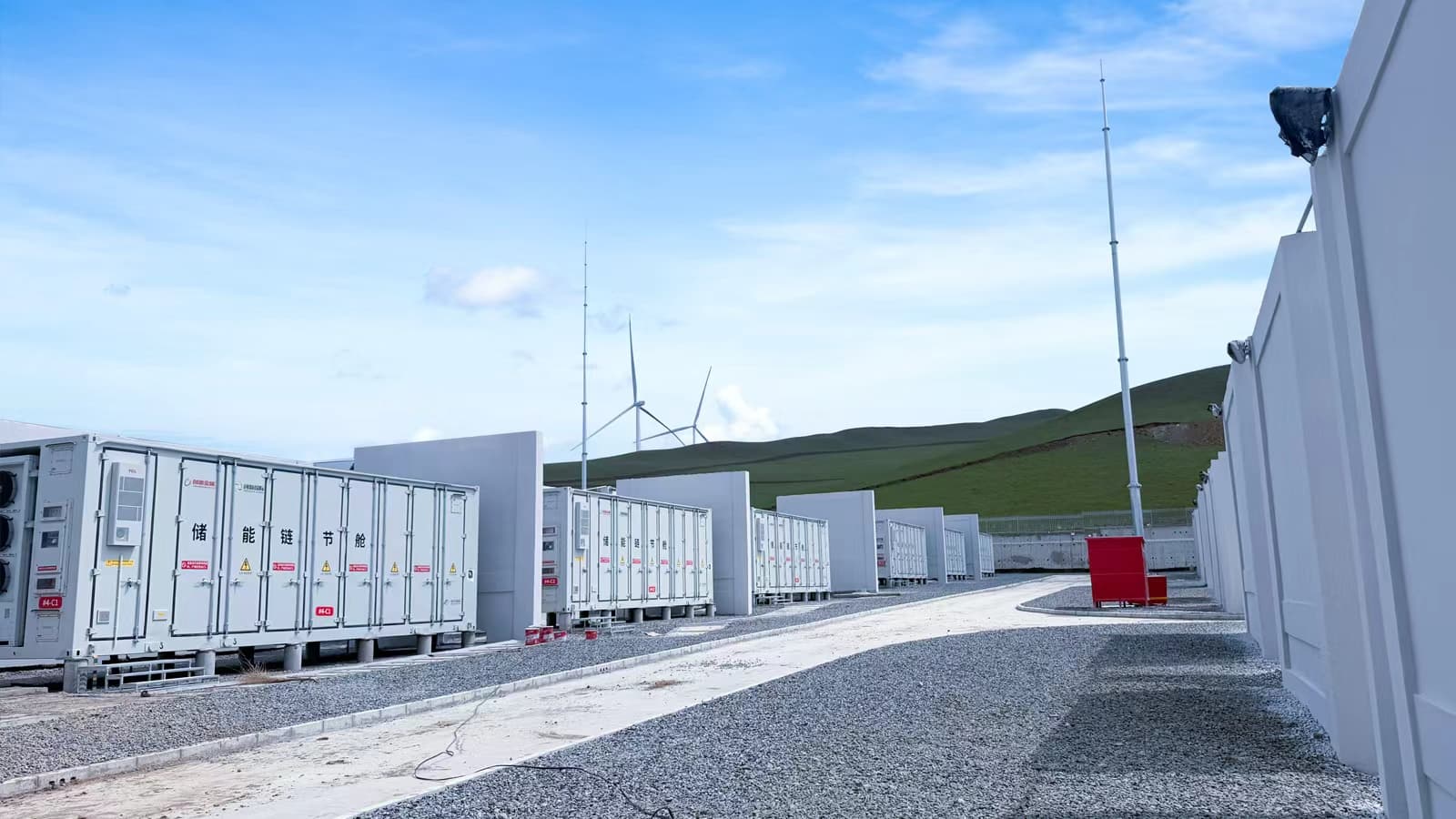
Against this favorable policy backdrop, a major milestone has been achieved at Chuangyuan Metal's industrial park in Inner Mongolia. The 35kV grid-forming cascaded high-voltage direct-connected energy storage project, tailor-made by Guangzhou Zhiguang Energy Storage Technology Co., Ltd. (ZGESS), has successfully completed a comprehensive demonstration including the black start of seven grid-forming energy storage units, stable operation of 20 wind turbines, synchronization with a coal-fired generating unit, and 36 consecutive hours of uninterrupted stable operation of a three-source power system integrating energy storage, wind power, and thermal power.
This long-duration, full-scenario validation demonstrates that ZGESS's independently developed grid-forming technology fully meets the technical requirements outlined in the 15th Five-Year Plan for the construction of China's new power system. It also establishes a benchmark for high-energy-consuming industrial microgrids and sets a new industry record for large-scale user-side integrated black-start testing of wind, thermal, and energy storage resources.
Grid-Forming Energy Storage Acts as the "Ignition Source" for a Blacked-Out Industrial Grid
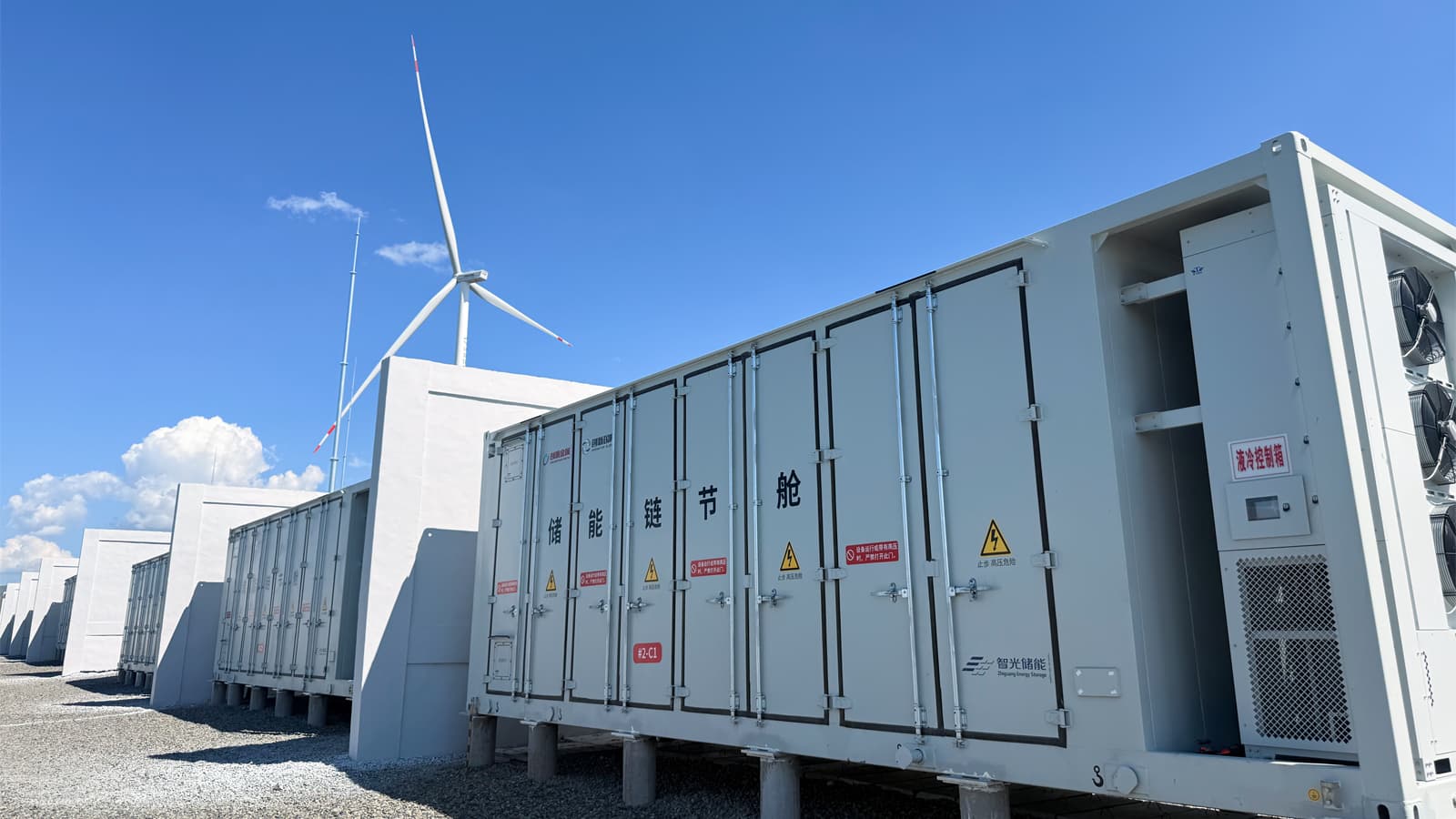
When the external utility grid experiences a complete outage, all production loads and wind turbines within a high-energy-consuming metallurgical industrial park come to a standstill. Without a reliable black-start power source, prolonged production interruptions can result in enormous economic losses.
Conventional grid-following energy storage systems cannot establish voltage independently and therefore cannot initiate grid restoration. This has long posed a major challenge for emergency recovery of industrial captive power systems. During this demonstration, the grid-forming energy storage system served as the only available "ignition source" capable of rebuilding the power system after a complete blackout.
Leveraging voltage-source Virtual Synchronous Generator (VSG) technology, the ZGESS grid-forming system can establish voltage and frequency independently without relying on the external utility grid.
Recently, seven 35kV/25MW grid-forming cascaded high-voltage direct-connected energy storage systems were successfully black-started in parallel, establishing a stable reference voltage and energizing three 250MVA main transformers from zero voltage, completing the first critical step in restoring the industrial grid.
Following multi-stage voltage transformation, the energy storage system energized four feeders supplying 20 wind turbines rated at 10MVA each, successfully withstanding the severe magnetizing inrush currents generated during transformer energization while maintaining stable voltage across the 220kV bus throughout the process.
The system maintained a total harmonic distortion (THD) of ≤0.8%, delivering outstanding power quality. During islanded operation, the wind turbines continuously generated power, reaching a peak output of 40MW. All surplus wind generation was absorbed by the energy storage system, increasing its state of charge (SOC) smoothly from 15% to 85%.
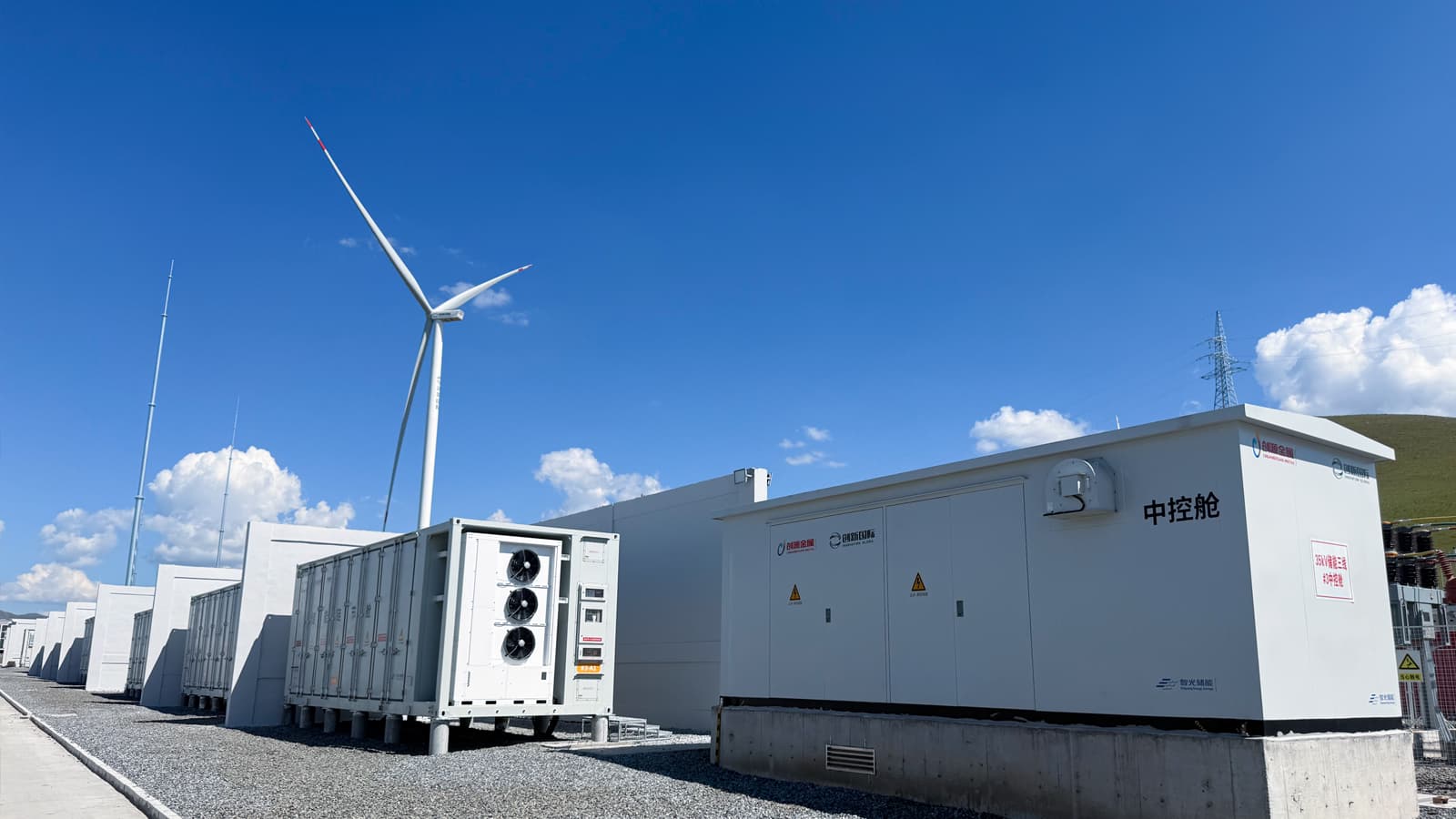
The entire islanded power system then successfully synchronized with the coal-fired generating unit, enabling long-term coordinated operation of energy storage, wind power, and thermal generation. The integrated system operated continuously for more than 36 hours without interruption, faults, or disturbances.
Compared with conventional diesel generators, which offer only limited-duration power supply and relatively weak transient load capability, ZGESS's grid-forming energy storage system demonstrates outstanding advantages in long-duration operation, high load-carrying capability, and multi-source coordination. It provides a robust emergency power solution for energy-intensive industries such as metal smelting while supporting the 15th Five-Year Plan's strategic objective of strengthening energy security and ensuring reliable power supply under extreme operating conditions.
Six Rigorous Validation Tests Demonstrate Alignment with China's Next-Generation Energy Storage Development Strategy
The demonstration covered six challenging validation scenarios representative of extreme industrial microgrid operating conditions, overcoming multiple industry-wide technical challenges and highlighting the unique advantages of grid-forming energy storage over conventional grid-following systems.
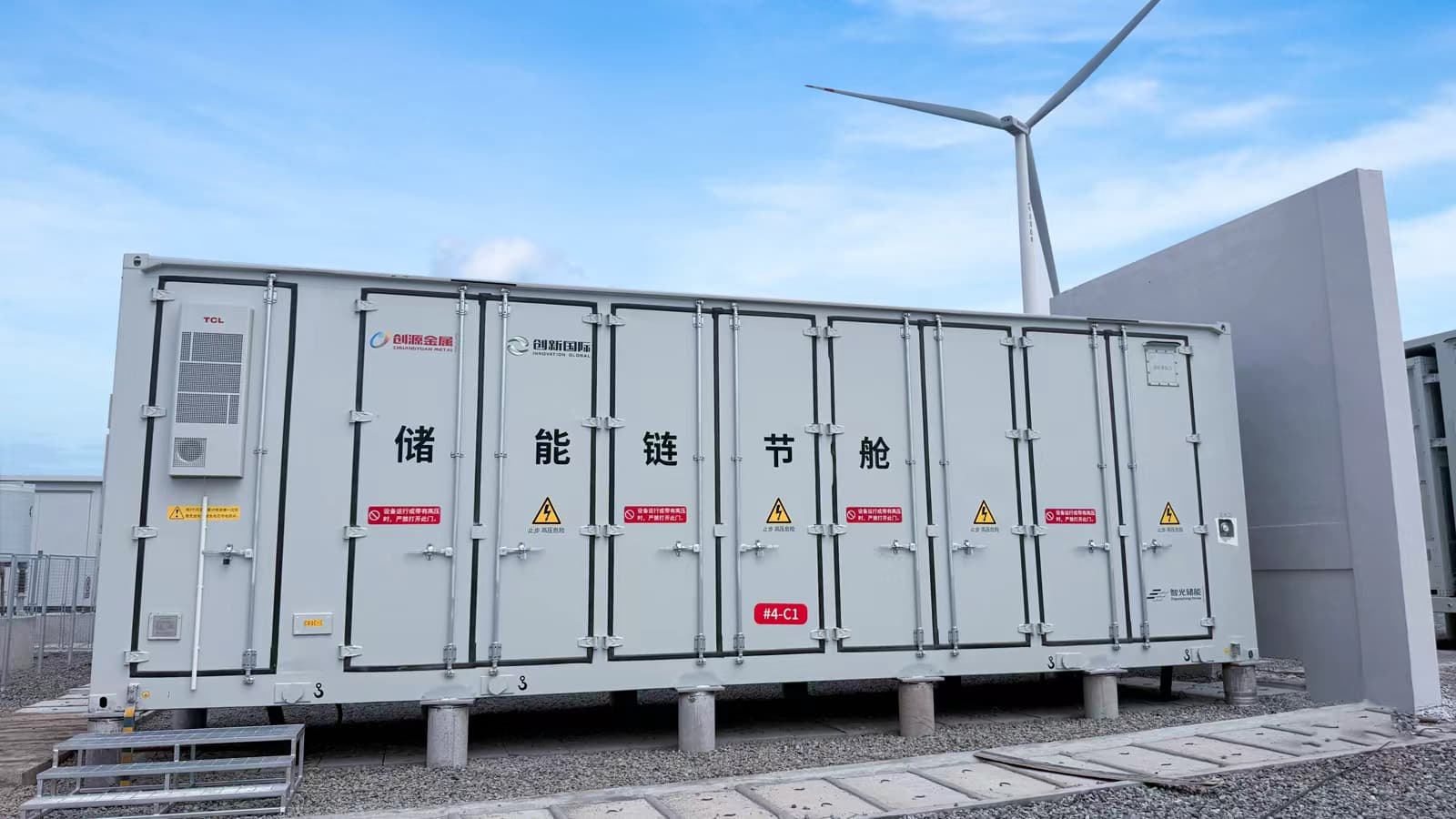
1. Zero-Voltage Energization of Large-Capacity Main Transformers. The system successfully energized large-capacity main transformers from zero voltage, demonstrating exceptional voltage establishment capability and strong adaptability to heavy inrush loads, enabling independent voltage support in both weak-grid and islanded operating conditions.
2. Suppression of Wind Turbine Transformer Magnetizing Inrush Current. The system successfully withstood the substantial magnetizing inrush currents generated during direct energization of twenty 10MVA wind turbine transformers. Leveraging the synchronous-machine characteristics of VSG technology, it rapidly stabilized voltage fluctuations and prevented wind turbine disconnection.
3. Parallel Operation of Wind Generation and Energy Storage Charging. The system dynamically compensated for fluctuations in intermittent wind generation, effectively addressing one of the industry's key challenges associated with renewable energy variability.
4. Synchronization of Wind-Energy Storage System with Coal-Fired Generation. Serving as the reference voltage source, the grid-forming energy storage system accurately matched the voltage, frequency, and phase angle of the thermal generating unit, enabling seamless synchronization between different synchronous and asynchronous power sources.
5. Long-Duration Stable Operation of Three Integrated Power Sources. Energy storage, wind power, and thermal generation operated together stably over an extended period. Acting as the "stability anchor" of the entire power system, the grid-forming energy storage system provided inertia support and voltage stabilization, significantly enhancing the disturbance resilience of the industrial captive grid.
6. Seamless Online Switching Between Grid-Forming and Grid-Following Modes. The system achieved disturbance-free switching between standalone grid-forming (islanded) operation and conventional grid-following (grid-connected) operation, simultaneously supporting emergency backup power and renewable energy integration.
Grid-Forming vs. Grid-Following: A Simple Comparison
Conventional grid-following energy storage is like a power strip—it functions only when connected to an energized grid. Once the grid loses power, it becomes inoperative.
By contrast, ZGESS's grid-forming cascaded high-voltage direct-connected energy storage system functions like a synchronous generator with built-in voltage and frequency regulation capabilities. It can independently rebuild an entire industrial power system while coordinating wind and thermal generation, making it a critical component of modern industrial microgrids.
Strong Policy Support Positions Grid-Forming Energy Storage as the Cornerstone of Green Industrial Transformation
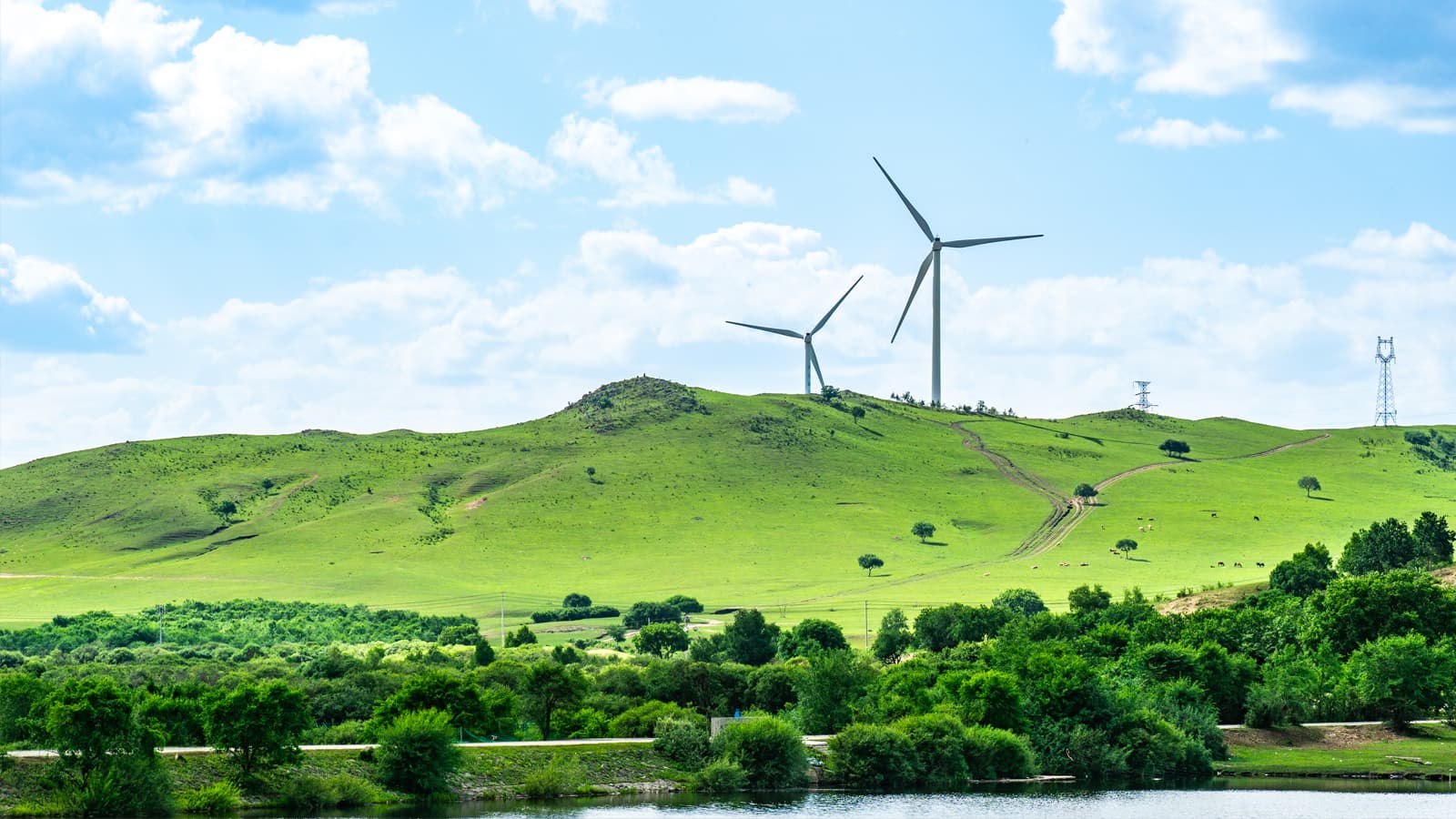
The 15th Five-Year Plan for the Construction of a New Energy System establishes an ambitious roadmap:
· China's installed capacity of new energy storage is targeted to reach 300GW by 2030;
· Overall power source and energy storage regulation capability will increase by 40%;
· Large-scale deployment of energy storage will be accelerated in smart microgrids, multi-source coordinated power systems, and user-side power security applications;
· Development of smart microgrids and zero-carbon industrial parks will be promoted;
· Distribution networks will evolve into integrated platforms for generation, grid, load, and energy storage coordination, supporting 900GW of distributed renewable energy by 2030.
Meanwhile, the National Energy Administration has proposed that renewable energy-rich regions and industrial captive power systems should prioritize deployment of grid-forming support capability, officially elevating grid-forming energy storage from an optional technology to an essential infrastructure component.
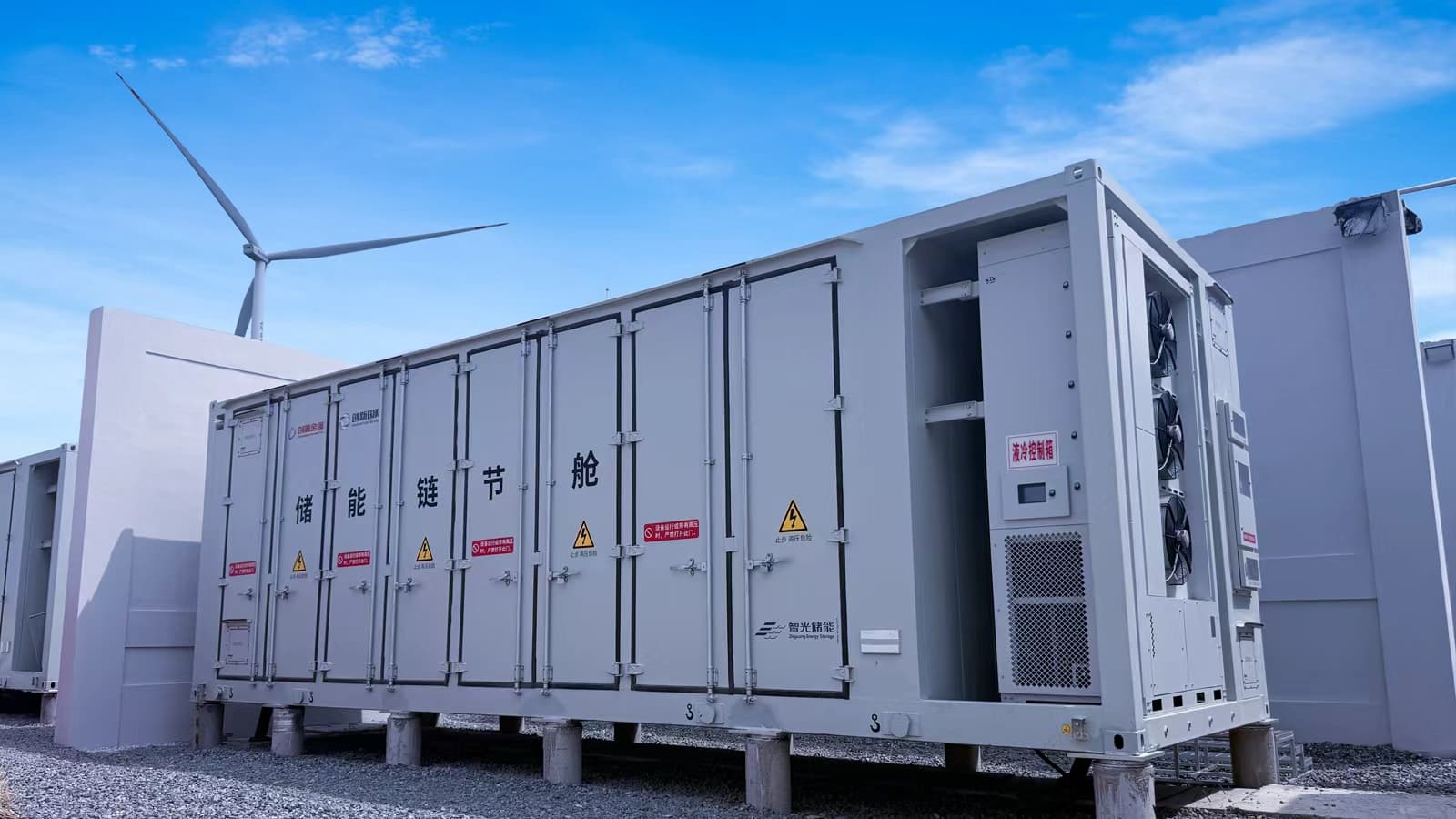
As wind and solar installations continue to expand across China, grid-forming energy storage is no longer merely an emergency backup solution—it has become an indispensable dynamic grid stabilizer for everyday operation, perfectly supporting the integrated development of generation, grid, load, and storage envisioned in the 15th Five-Year Plan.
Under normal operating conditions, ZGESS's 35kV grid-forming cascaded high-voltage direct-connected energy storage system can locally absorb wind and solar generation within industrial parks, reduce peak electricity purchases, optimize load shifting, and significantly lower electricity costs.
When renewable output fluctuates rapidly, the system dynamically adjusts power output to stabilize bus voltage and improve renewable energy utilization.
During external grid failures, it automatically transitions into islanded grid-forming mode, rapidly reconstructs the local power system, and ensures uninterrupted operation of critical industrial loads, thereby avoiding substantial production losses caused by power outages.
Benchmark Project Demonstrates Scalable Solution for Safe and Low-Carbon Industrial Power Supply
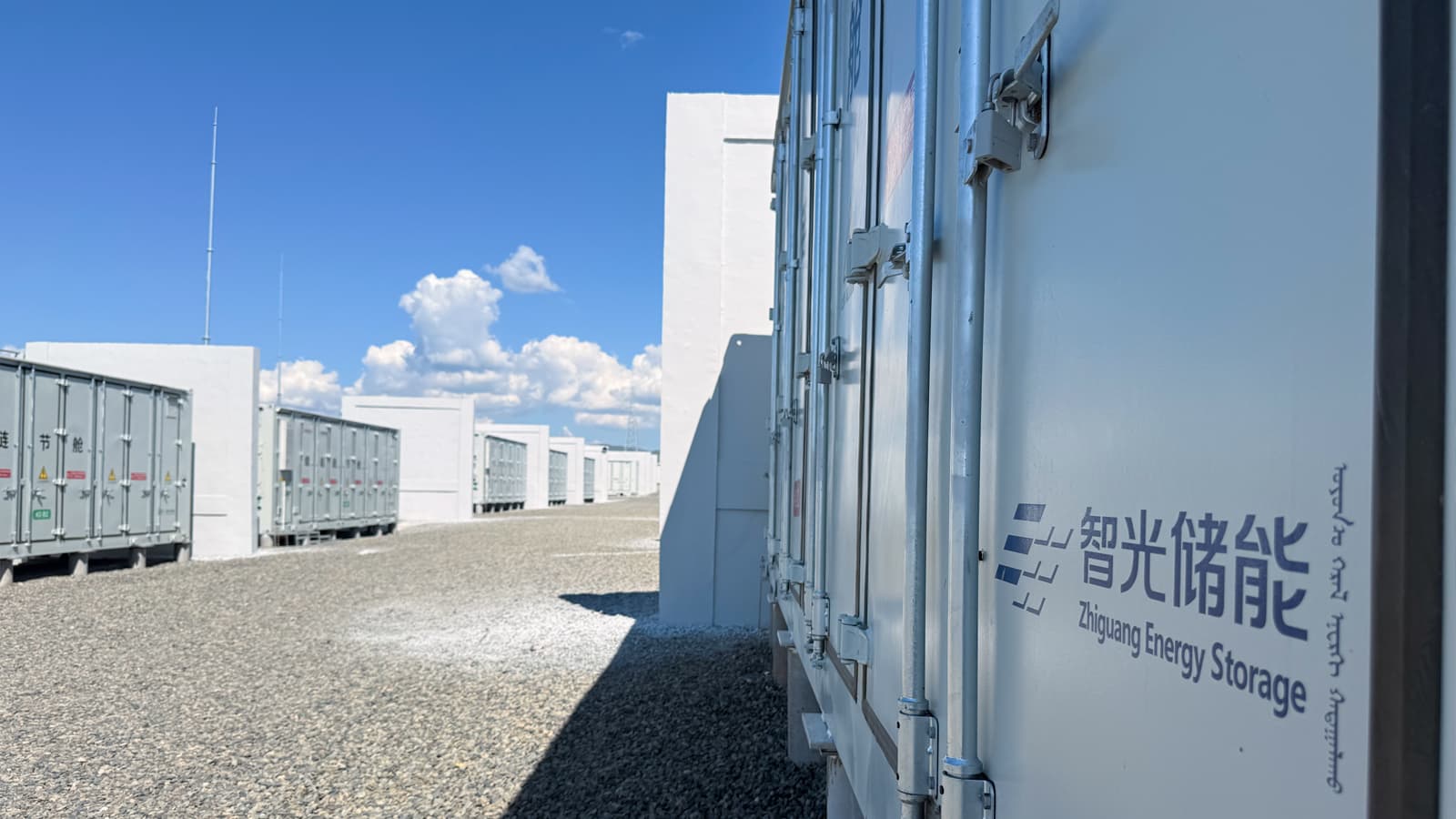
All three phases of the Chuangyuan Metal energy storage project in Inner Mongolia adopt ZGESS's independently developed 35kV grid-forming cascaded high-voltage direct-connected energy storage solution, with a combined installed capacity exceeding 1GWh. The project represents one of China's largest integrated wind-thermal-energy storage deployments serving high-energy-consuming industries.
The successful completion of this 36-hour full-scenario black-start and three-source grid integration demonstration further reinforces ZGESS's technological leadership in the field of grid-forming high-voltage direct-connected energy storage.
Looking ahead, ZGESS will continue to align with the strategic direction of the 15th Five-Year Plan for the Construction of a New Energy System, further advancing its cascaded high-voltage energy storage technologies. By leveraging its proprietary grid-forming solutions, the company will continue delivering application-oriented products that simultaneously enhance power supply reliability, reduce carbon emissions, and lower operating costs for industrial users, contributing to China's goal of deploying 300GW of new energy storage by 2030 and building a secure, resilient, and renewable-dominated new power system.
