


On May 13, 2026, the 6th Shenzhen International Conference on New Energy Storage Technologies and Engineering Applications was grandly held in Shenzhen. Zhiguang Energy Storage General Manager Fu Jinjian was invited to attend and delivered a keynote speech titled “Breaking Through Mechanisms, Returning to Value — Market-Oriented Pathways and Policy Evolution of New Energy Storage.”
In his speech, Fu provided in-depth insights into policy trends, market demand, and technology pathways for energy storage under the new power system framework. He emphasized that the energy storage industry is rapidly moving away from price-based competition and entering a new era of value-driven competition centered on efficiency, performance, safety, operations, and lifecycle maintenance.
Rapid Implementation of Market Mechanisms: Energy Storage Shifts from “Supporting Role” to “Grid Stabilizer”
Addressing the industry’s focus on policy direction, Fu noted that with the implementation of a series of major policies — including Document No. 136, Document No. 114, and State Council General Office Document No. 4 — China’s electricity market reform is accelerating significantly. The cancellation of mandatory energy storage allocation policies and the establishment of capacity pricing mechanisms are fundamentally reshaping the commercial model of energy storage.
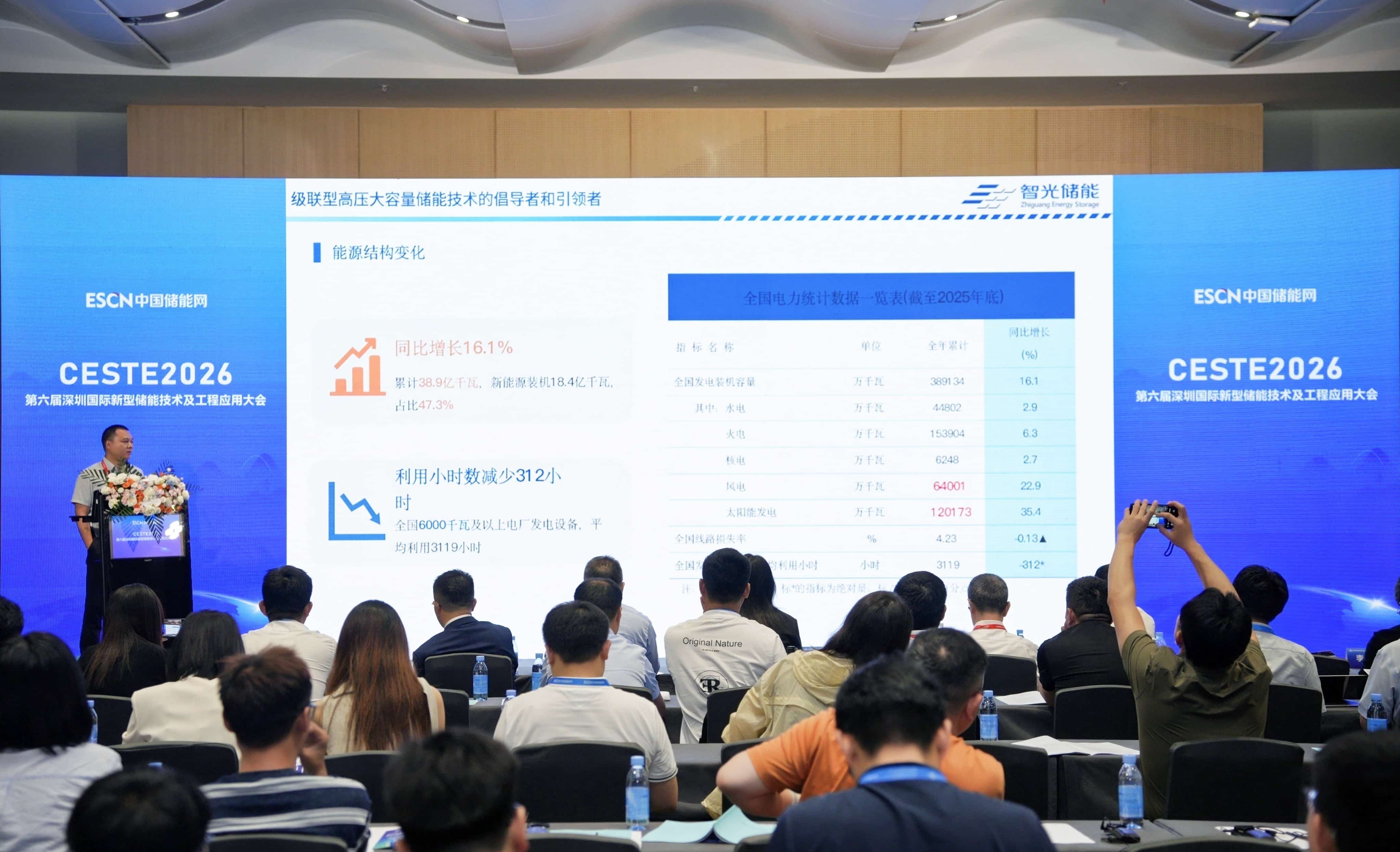
“Energy storage is transitioning from a supplementary role to an independent market participant and a core stabilizer of the power system,” Fu emphasized during the speech.
He further pointed out that China’s energy structure is approaching a historic turning point in 2026. Data shows that national electricity consumption exceeded 10 trillion kWh for the first time in 2025, with renewable energy contributing 97.1% of incremental power demand. By 2026, photovoltaic installed capacity is expected to surpass coal power for the first time, while combined wind and solar capacity will account for more than half of total installed capacity.
Under the new supply-demand landscape — characterized by “sufficient energy supply but insufficient peak-shaving capability” — fixed feed-in tariffs for renewable energy are being fully replaced by market-based electricity trading. This transition creates substantial arbitrage and compensation opportunities for energy storage systems with flexible regulation capabilities.
Technical Performance Becomes the Profitability Divider — Efficiency Means Real Revenue
Focusing on the three major revenue streams of the energy storage market — electricity spot trading, ancillary services, and capacity compensation — Fu shared frontline operational insights and analyzed the key technical indicators that determine the profitability of energy storage plants.
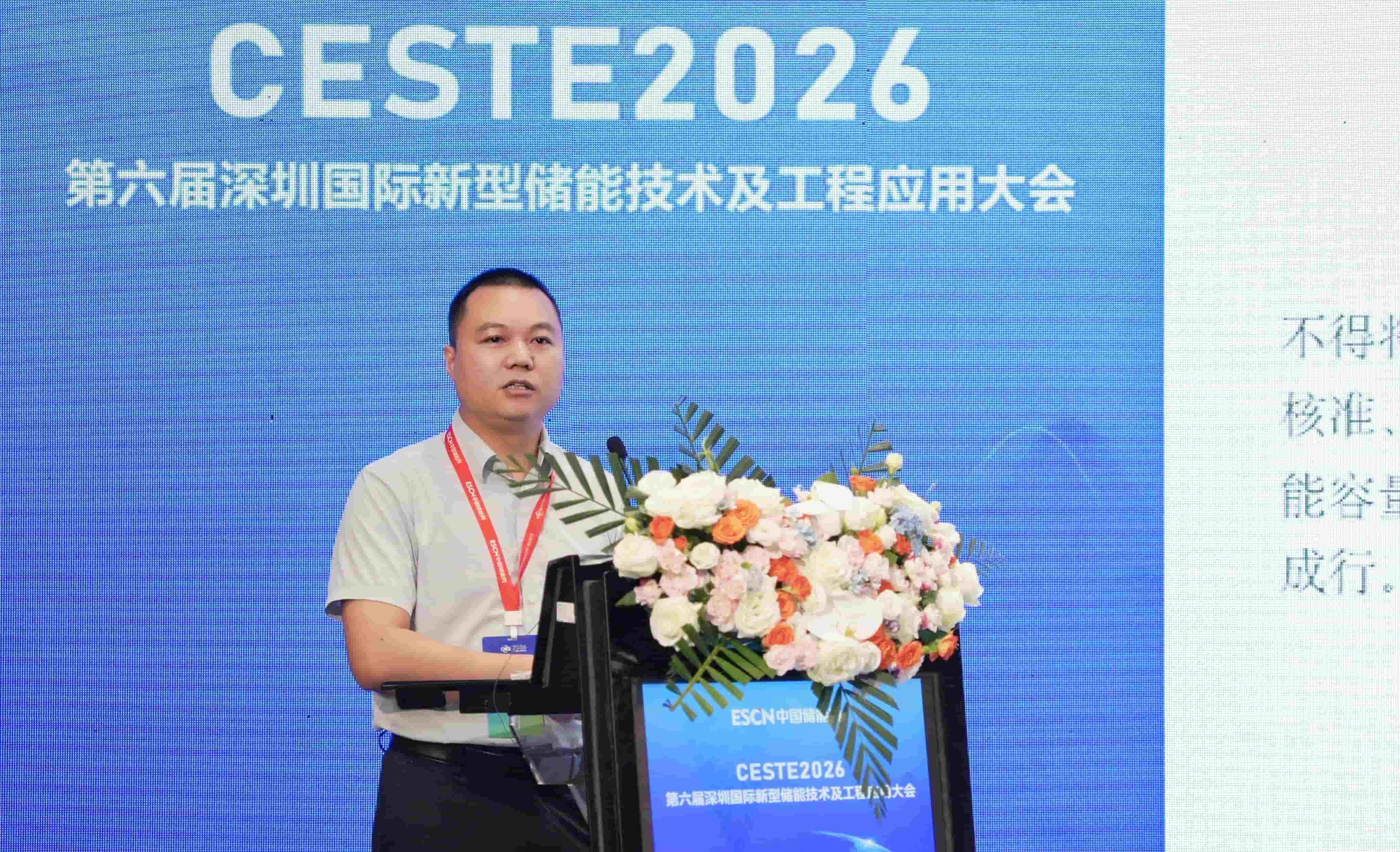
He pointed out that data from Shanxi’s spot electricity market demonstrates how charging and discharging efficiency directly impacts profitability. In Guangdong’s frequency regulation ancillary service market, standalone energy storage has already become the dominant player, with a highly concentrated market structure where system performance coefficient (K-value) serves as the key determinant of revenue. Meanwhile, in regions such as Gansu with high renewable penetration, maximum discharge duration directly determines compensation returns in the capacity market.
“The industry’s average round-trip efficiency still hovers at only around 82%. Even minor improvements in technical parameters can translate into massive profit gaps over the full lifecycle of a project,” Fu stated frankly.
He added that the industry has entered a stage where companies must compete on core capabilities. High efficiency, high safety, strong consistency, and full lifecycle service capabilities are now the only sustainable path through industry cycles.
Full-Stack Technology Empowerment — Zhiguang’s Solution Addresses Grid Support Challenges
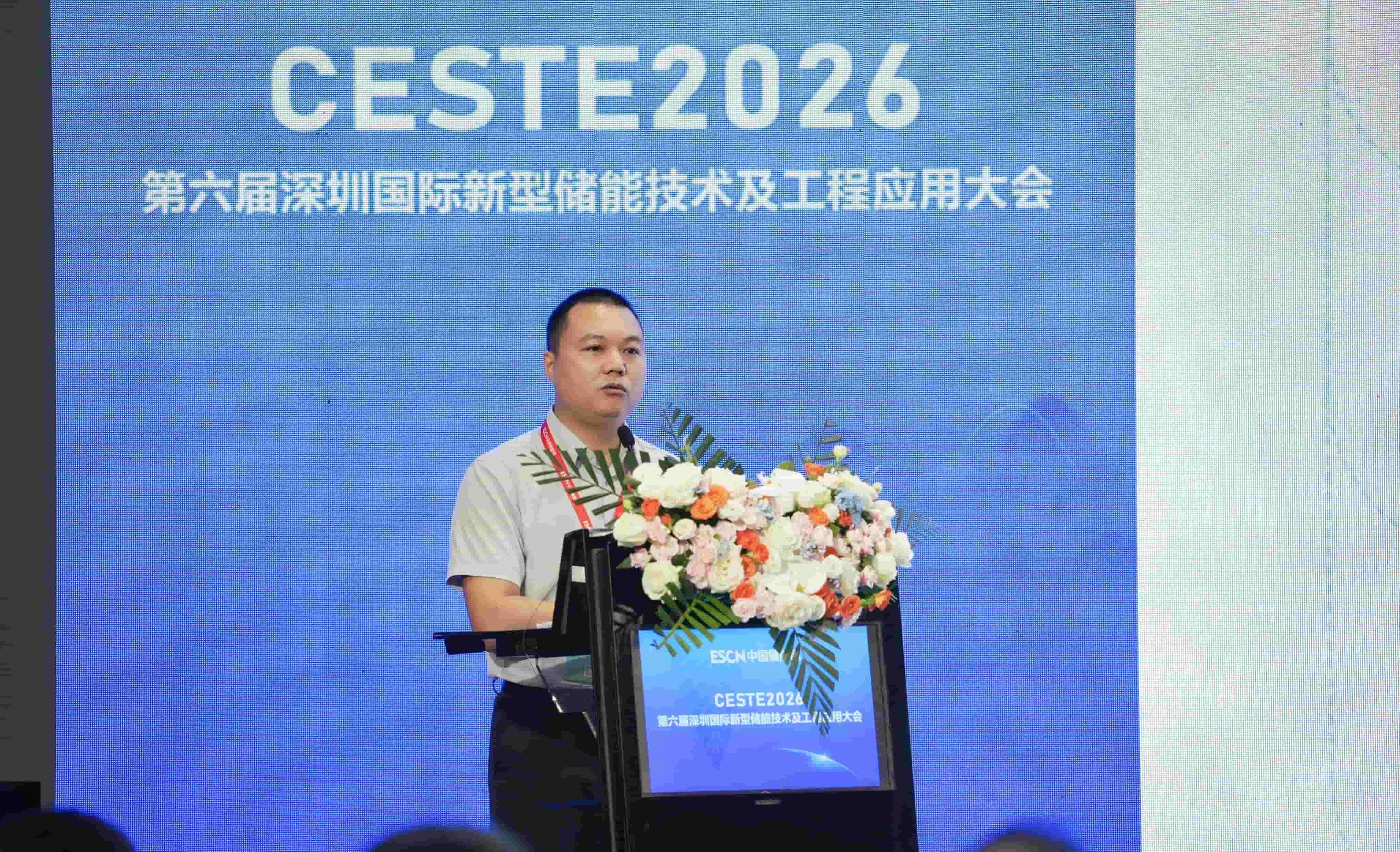
Addressing current market pain points, Fu introduced Zhiguang Energy Storage’s full-stack technology strategy. Leveraging its self-developed cascaded high-voltage direct-grid-connected energy storage system, Zhiguang has achieved transformer-free direct grid connection from 6kV to 35kV, with single-unit capacity reaching the 100MW level and cycle efficiency as high as 92%. The company remains committed to delivering products featuring high efficiency, superior performance, strong consistency, and enhanced safety.
“Zhiguang provides not just equipment, but a one-stop full lifecycle service covering product delivery, project operation, and after-sales maintenance,” Fu emphasized.
Through its self-developed “5S” full-stack system architecture, Zhiguang is able to deliver exceptionally high frequency regulation K-value performance for energy storage power stations.
This technology route has already been successfully deployed and validated in multiple record-setting benchmark projects, including Qingyuan Qingcheng, Chuangyuan Metal, and CHN Energy Qinghai, covering a full range of applications across generation-side, grid-side, and user-side scenarios.
Looking Ahead: “Diversified Revenue + Value Innovation” to Drive the Next Decade
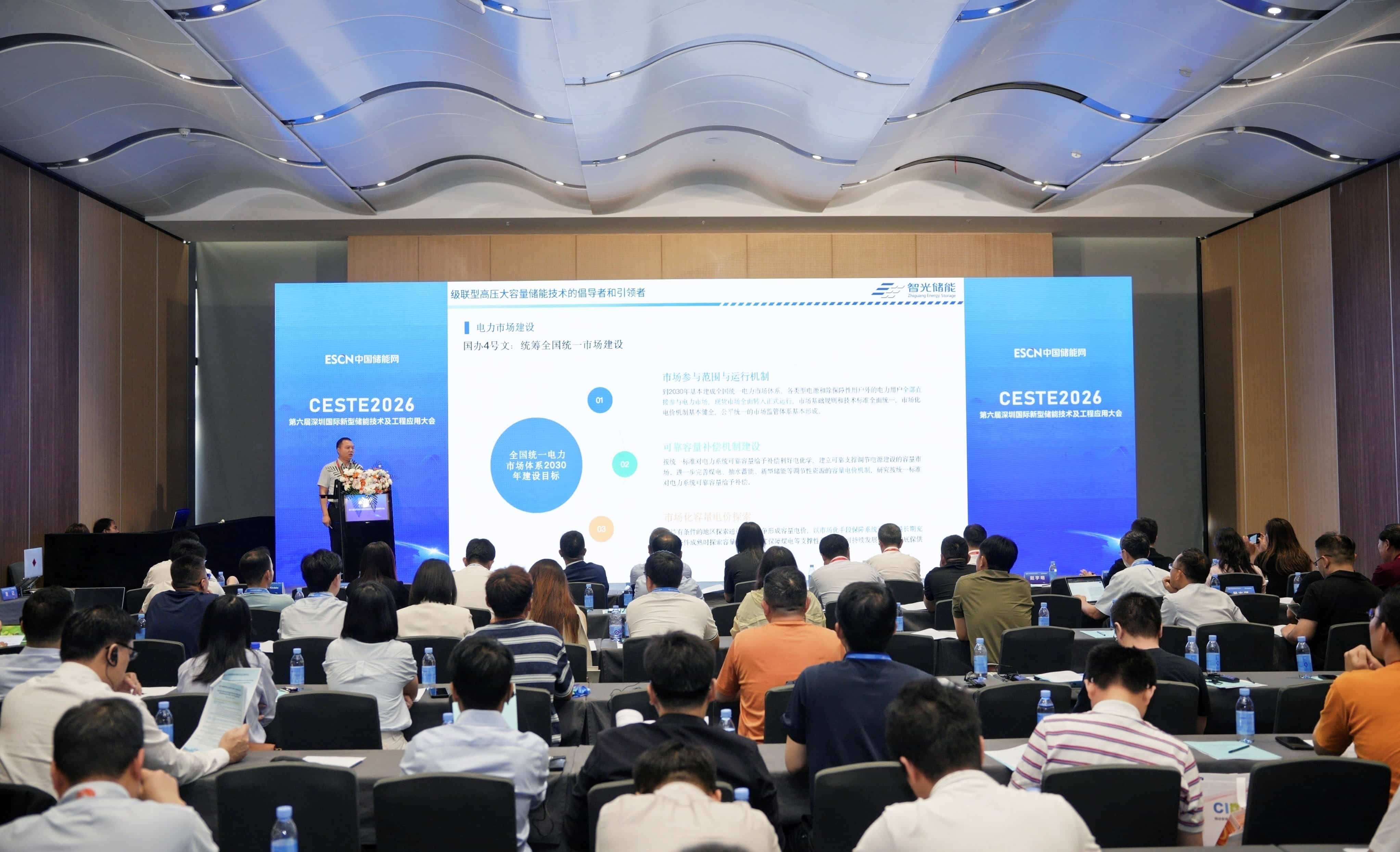
In the concluding section of his speech, Fu shared his outlook on the future development of the industry. He believes that as China’s unified national electricity market system takes shape by 2030, energy storage will become deeply integrated into a diversified revenue model combining electricity trading, ancillary services, and capacity compensation. Industry competition will increasingly center on product capability, operational excellence, and full lifecycle cost performance.
“Breaking through mechanisms is only the beginning — the true return to value is just starting now,” Fu stated.
As a pioneer and leader in cascaded high-voltage large-capacity energy storage technology, Zhiguang Energy Storage will continue driving the high-quality development of new energy storage through technological innovation, contributing “Zhiguang Power” to the construction of next-generation power systems and the global energy transition.
