


On January 15, 2026, the Closed-Door Forum on High-Quality Development of the Energy Storage Industry and the Appreciation Gala Celebrating the 10th Anniversary of EESA were held in Shanghai. At this critical juncture as the energy storage sector transitions from large-scale expansion to high-quality development, Jiang Xinyu, President of Guangzhou Zhiguang Electric Co., Ltd. (hereinafter referred to as “Zhiguang Electric”), was invited to attend the event and participate in a core roundtable discussion. Together with industry experts and leaders in the energy storage field, he explored the industry’s “business models and valuation logic,” offering insights and recommendations to help build core competitiveness that can withstand economic cycles.
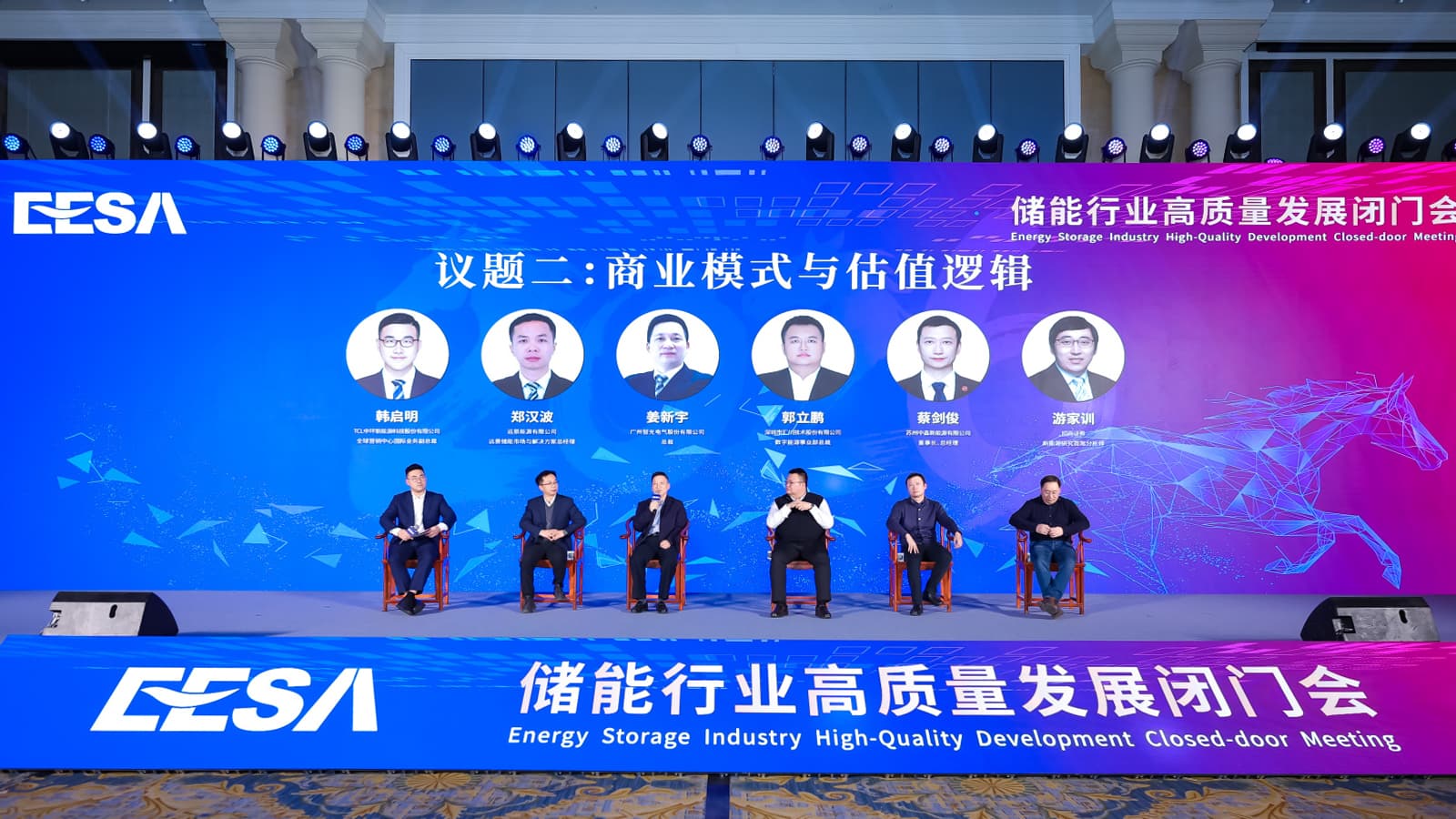
The closed-door forum was organized by the Energy Storage Pioneers Alliance and brought together representatives from more than 70 leading enterprises, over 20 investment institutions, as well as multiple government and corporate representatives. In-depth discussions focused on the most critical and urgent development issues facing the energy storage industry. Among them, the roundtable discussion on “business models and valuation logic” directly addressed key pain points in the development pathways of system integrators, making it one of the focal highlights of the forum
As a veteran deeply engaged in the energy storage sector for many years, Jiang Xinyu shared professional insights centered on the core themes of the forum, drawing on Zhiguang Electric’s strategic practices.
In addressing “how to build core competitiveness that endures across cycles,” he began with the fundamental value of technological innovation, emphasizing that continuous innovation and iteration are key capabilities for enterprises committed to long-term development. Only by accurately identifying customer pain points and rapidly iterating technologies can companies build differentiated competitiveness in a short period of time. At the same time, he raised a shared industry concern: as an industrial product, energy storage systems should follow a development logic of “innovation–operation–review–maturity,” requiring lengthy reliability verification, yet they currently exhibit rapid iteration patterns similar to consumer products—“planning next year’s products this year, and the following year’s products next year.” This reality, which runs counter to the full life-cycle value logic of traditional industrial products, has left many R&D-capable enterprises feeling unable to “keep up with the pace of innovation.”
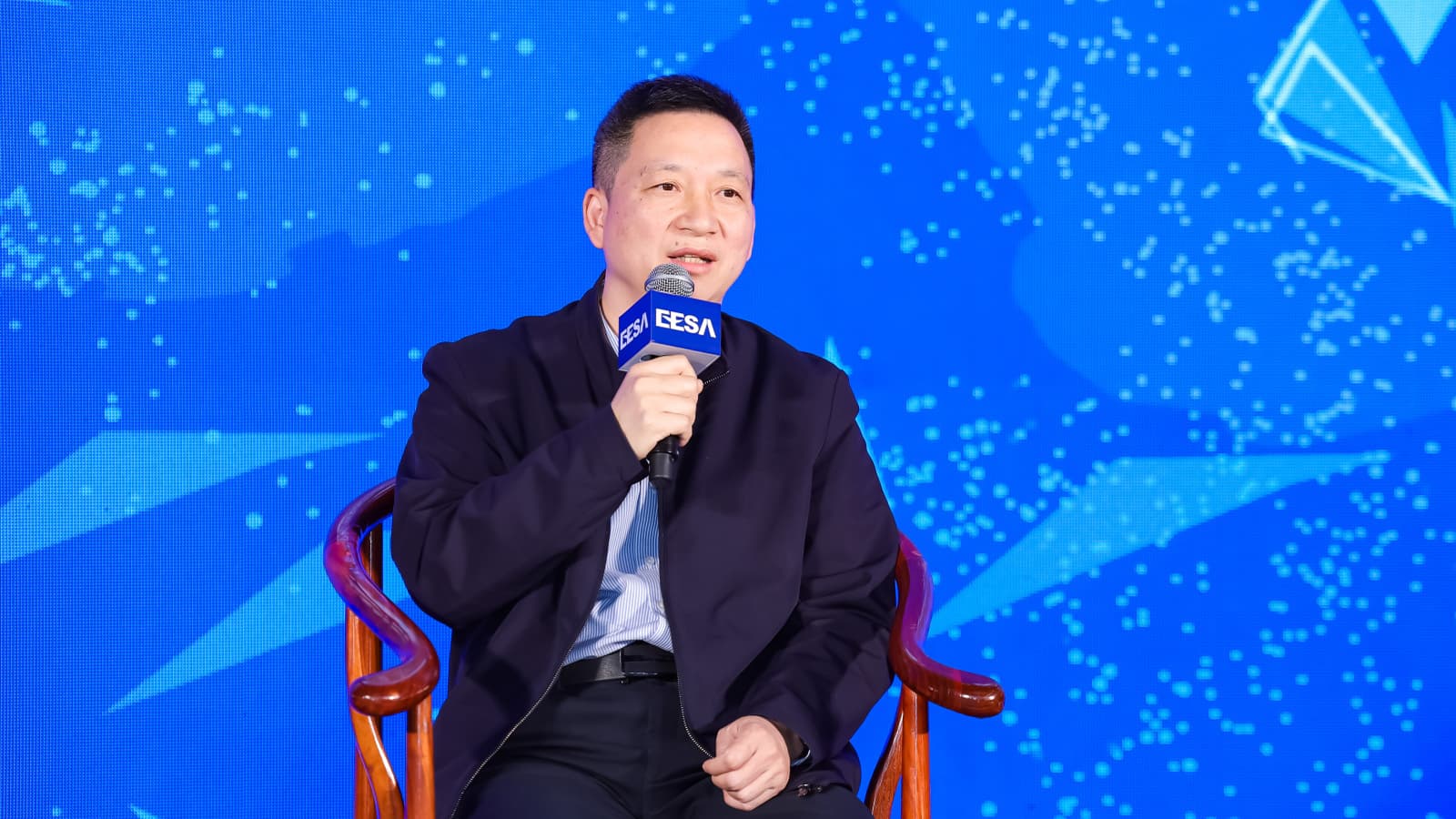
Jiang Xinyu then analyzed the industry situation in light of upstream cost volatility. Using lithium carbonate price fluctuations as an example, he noted that prices once surged to RMB 600,000 per ton at the end of 2022 and have recently experienced daily increases in the tens of thousands of RMB. This has made upstream suppliers reluctant to take orders or sign contracts, creating significant challenges for downstream enterprises in terms of normal delivery and cost control.
He pointed out that, in the face of such drastic changes across the industrial chain, enterprises must build an ecosystem within the value chain, strengthen collaborative partnerships with industry peers, and enhance their own flexible service capabilities and capacity support. How to honor signed contracts and ensure commitments to customers is a key issue that every enterprise must address based on its own strengths.
In addition, Jiang Xinyu highlighted the contradiction between the 15–20-year lifecycle of energy storage products and the short-term operational fluctuations faced by some companies in the industry. He noted that while new enterprises enter the market every year, others shift focus or decline. If a company cannot continuously respond to customer pain points and provide stable services throughout the long lifecycle of its products, this may undermine customer trust in the entire industry supply chain—an impact that is particularly significant when serving core clients such as central state-owned enterprises. Therefore, enterprises must clarify their positioning, distinguish between “what they do themselves” and “what they do through collaboration,” and safeguard both their own stable operations and their customers’ core needs during development.
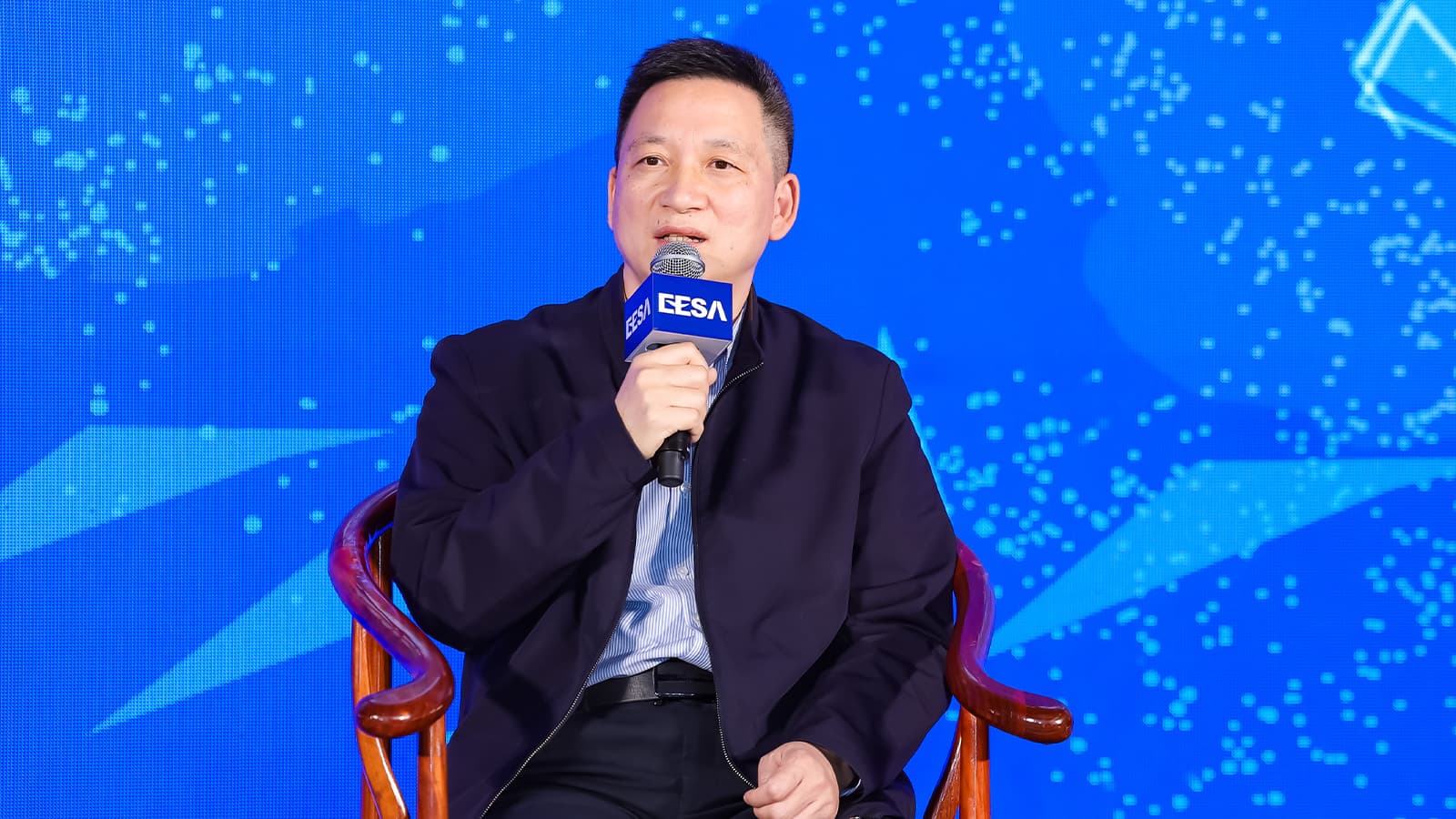
Regarding policy direction and risk management, Jiang Xinyu emphasized that many energy storage companies have benefited from policy incentives in the past, but policies inevitably evolve alongside the development of renewable energy and system construction. Strong enterprises should not merely follow policies; instead, they should anticipate industry trends and policy directions in advance. This is especially important when expanding into overseas markets, where risk management awareness must be further strengthened.
He believes that whether companies choose to engage directly in project development or focus on product sales, their valuation logic is inevitably influenced by policy cycles. Only by laying a solid foundation in core capabilities and anticipating changes in advance can enterprises maintain stable growth after policy dividends fade. Looking ahead, the energy storage industry remains promising, but it requires companies to cultivate the market with a long-term, patient mindset.
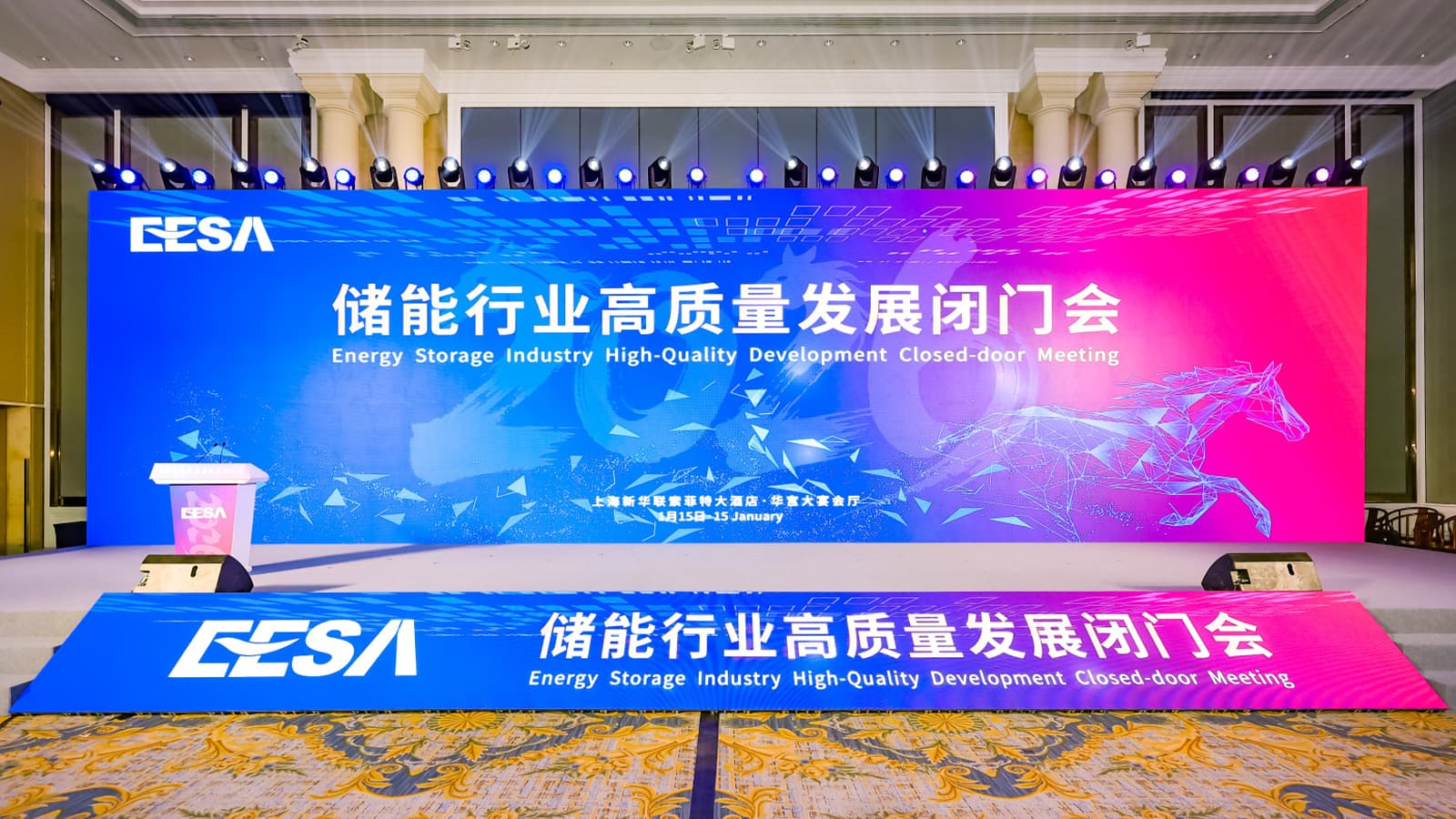
The roundtable forum gathered representatives from leading industry enterprises and securities analysts specializing in the new energy sector, facilitating comprehensive exchanges on strategic choices during the industry’s transition phase. Jiang Xinyu’s remarks, grounded in Zhiguang Electric’s practical experience while taking into account broader industry trends and enterprise realities, offered valuable recommendations for energy storage integrators seeking high-quality development.
This event marked not only a milestone celebration of EESA’s 10th anniversary, but also an important platform for the core forces of the energy storage industry to build consensus and jointly envision the future. As the ambitious blueprint of the “15th Five-Year Plan” gradually unfolds, the energy storage industry is entering a new phase of development. Zhiguang Electric will continue to be guided by technological innovation, optimize its business models, and contribute to the high-quality and global development of the industry.
