


On January 30, the energy storage industry reached a milestone! The National Development and Reform Commission (NDRC) and National Energy Administration jointly issued the “Notice on Improving the Capacity Pricing Mechanism on the Power Generation Side” (NDRC Price [2026] No. 114) (“Document No. 114”), drawing wide attention across the power sector.
As China’s first national-level policy to establish a capacity pricing mechanism for grid-side independent energy storage, the document’s core significance lies in unlocking the capacity value of independent storage through market-based pricing, accelerating high-quality industry development, and strengthening the foundation of a new-type power system.
1. From “Cost per kWh” to “Capacity Value”: Reshaping Energy Storage Revenue
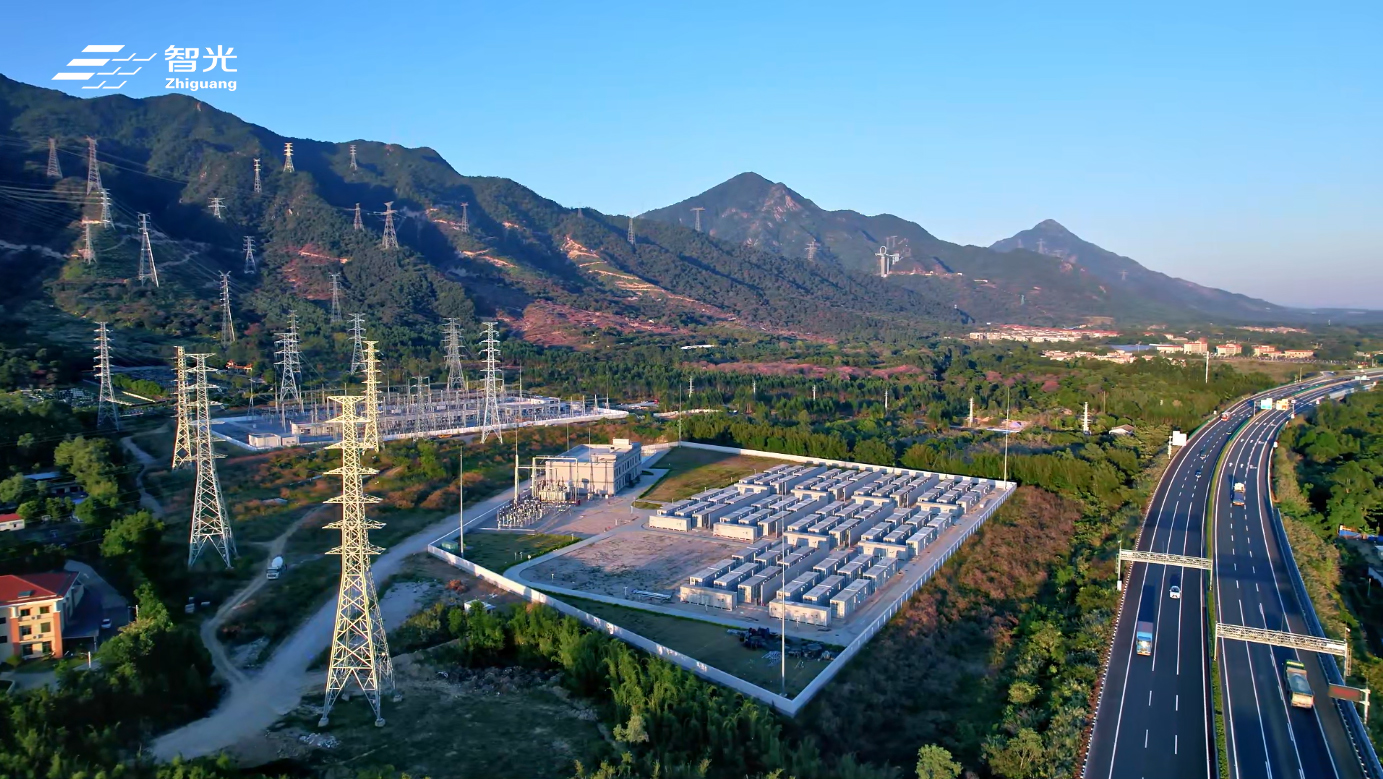
The key to understanding Document No. 114 is the concept of capacity pricing, closely tied to China’s two-part electricity pricing reform. Previously, single-part pricing—“pay for what you use”—struggled to balance power supply security with reasonable profits for generators. The two-part system separates capacity pricing and energy pricing, offering a more scientific and fair approach.
Capacity pricing recovers fixed costs such as investment and maintenance, allowing approved energy storage plants to earn stable revenue for their “dispatchable capacity,” even without generating electricity. Energy pricing covers variable costs like coal or water for thermal power. For independent storage, capacity pricing officially recognizes its role as a “power system security provider,” upgrading its value from pure peak-shaving to “capacity assurance + peak-shaving support” and enabling market-based monetization.
2. Key Takeaways: Understanding the “Gold Standard” of Capacity Pricing
Scope of Application
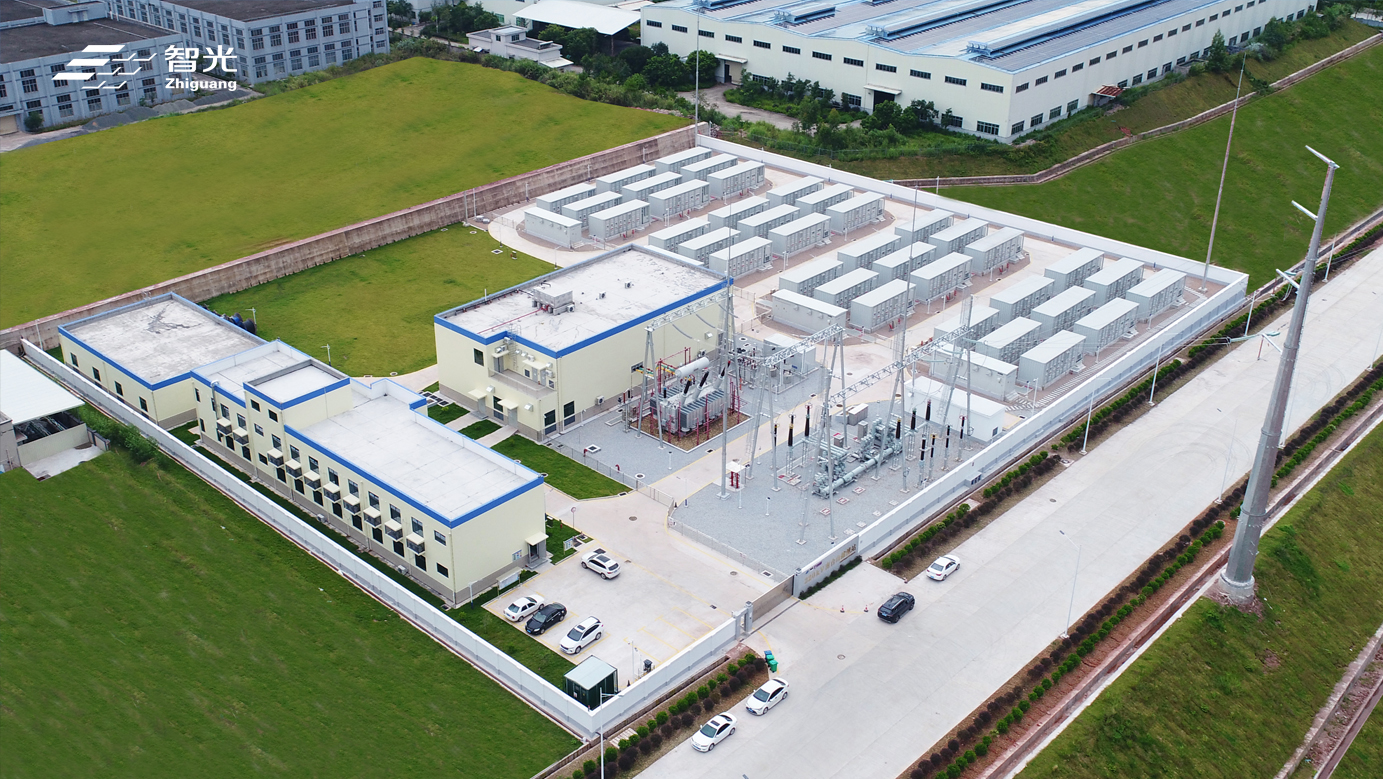
Not all independent storage qualifies. Document No. 114 sets three conditions: serving power system security, not participating in allocated storage, and inclusion in an approved list to avoid subsidy misuse. Capacity pricing levels are based on local coal power standards and adjusted for peak capacity.
Pricing Standard
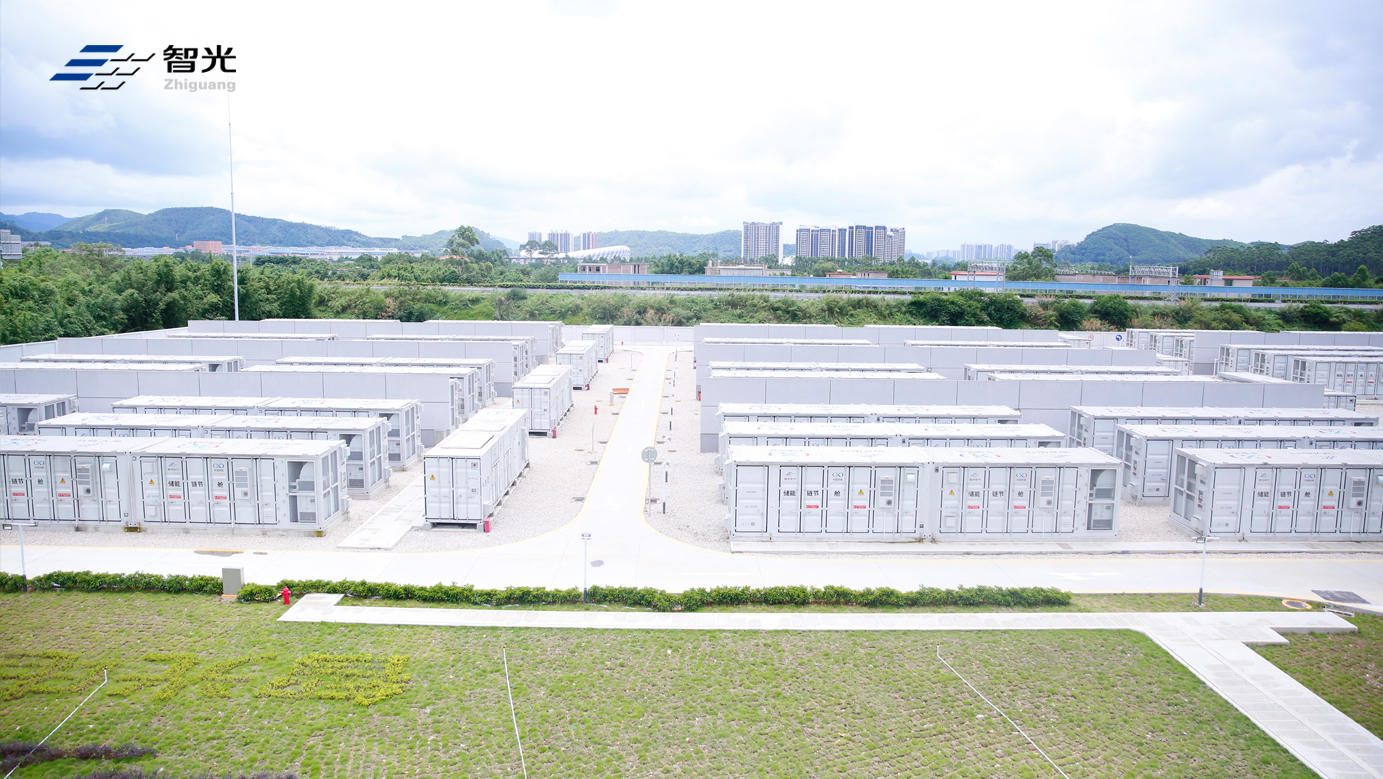
Capacity pricing is not one-size-fits-all. Its calculation: local coal power capacity price × peak capacity (full-power continuous discharge ÷ longest annual net load peak, capped at 1). This incentivizes long-duration independent storage. For example, a plant discharging 4 hours at full power, with the longest net load peak of 4 hours, achieves the maximum peak capacity value of 1.
Revenue Structure
Qualified plants now benefit from a robust “iron triangle” revenue model: capacity pricing + energy revenue + ancillary service revenue. This ensures stable capacity-based income while allowing market and system regulation gains, accelerating the growth of the new energy storage sector.
3. Industry Impact: High-Quality Growth and a New Era for Long-Duration Storage
Document No. 114 signals a mature policy environment for grid-side independent storage, restructuring revenue logic and enhancing predictability for investors. It drives the industry from scale expansion to high-quality development.
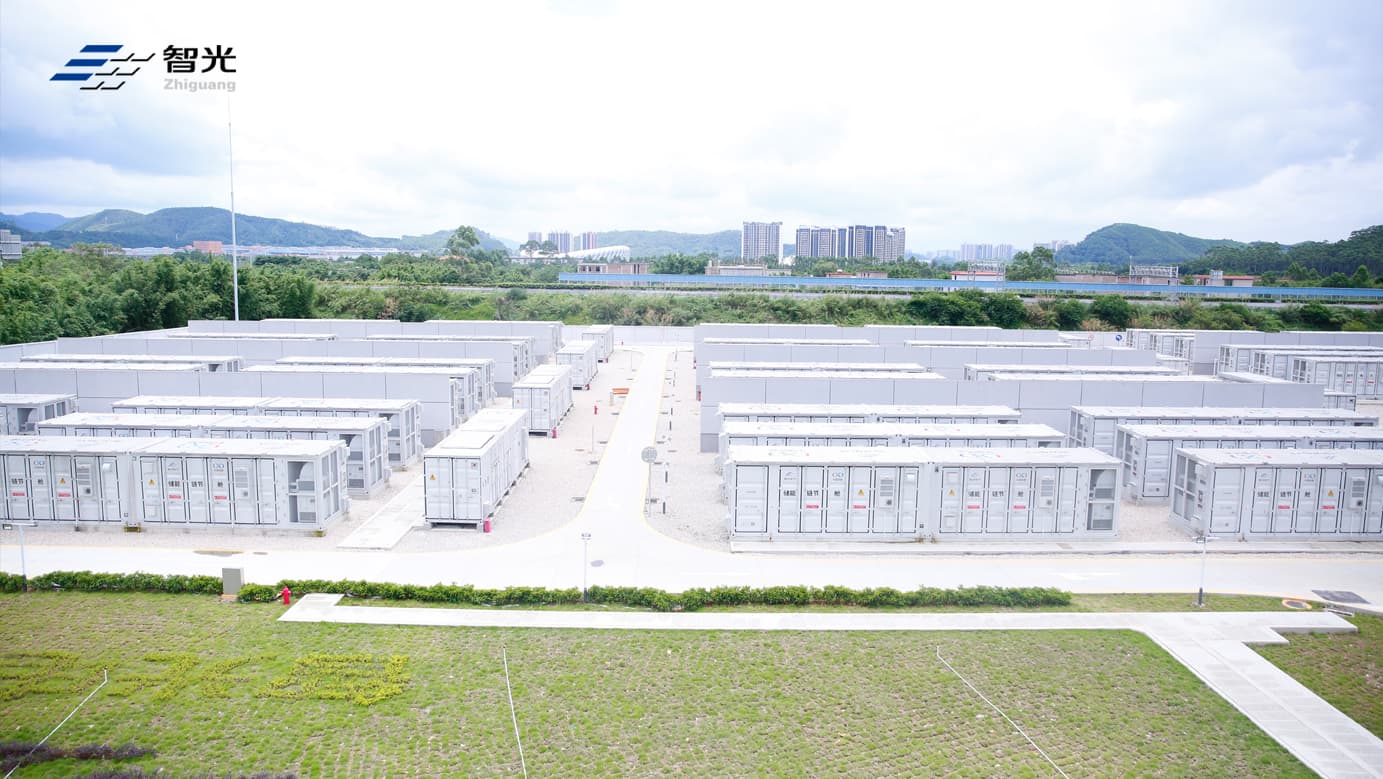
Zhiguang Energy Storage, with extensive experience in grid-side projects and cascaded high-voltage storage technology, offers fast response, high efficiency, and simple plant control, delivering strong economic returns. Supported by Document No. 114, grid-side storage enters a “base + performance” revenue era. Zhiguang tailors optimal solutions for clients across regional power markets, contributing to reliable national power capacity, supporting power source transitions, and advancing high-quality development of new energy storage—driving the construction of a modern energy and power system.
